
 |
September is Peripheral Artery Disease Awareness Month, but the symptoms of PAD deserve attention every month of the year.
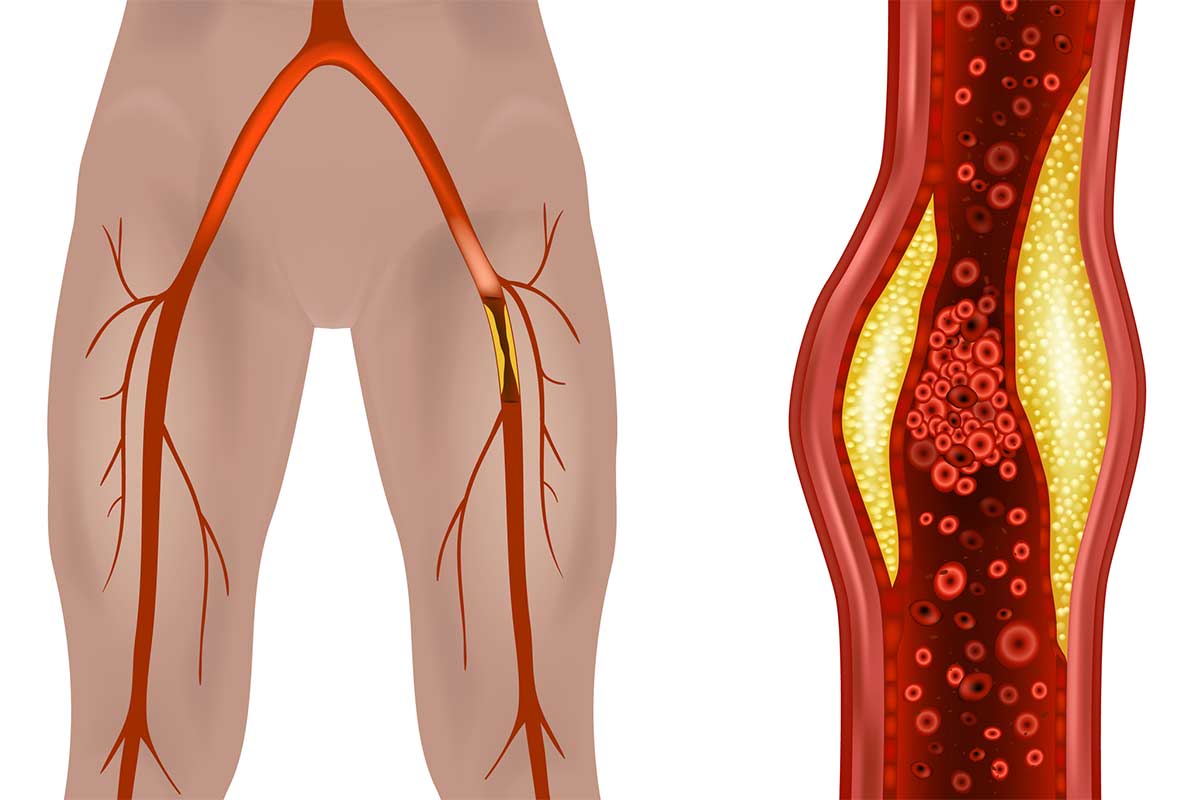
Peripheral Artery Disease develops when plaque narrows or blocks the arteries carrying blood to the legs and feet. PAD can limit walking, delay wound healing and, when it becomes advanced, threaten the survival of a limb. Because PAD is a form of atherosclerotic cardiovascular disease, its presence also tells us that a patient’s overall cardiovascular health deserves close attention.
The scale of the problem is larger than many people realize. THE SAGE GROUP estimates that more than 22 million people in the United States had PAD in 2025 and projects that the number will exceed 26 million by 2040. Yet the disease remains underrecognized, underdiagnosed and Undertreated.
“PAD often begins quietly. A patient may stop walking to the mailbox, avoid the grocery-store aisle or use a cart for support without realizing that reduced circulation is changing the way they live. Recognizing that change early gives us more opportunities to protect mobility and prevent progression.”
— Chris LeSar, MD, FACS, RVT®
What Does Leg Pain From PAD Feel Like?
The classic PAD symptom is called claudication. Patients may experience aching, cramping, heaviness, fatigue or weakness in the calf, thigh or buttock. The discomfort appears during activity improves after a few minutes of rest and often returns after walking a similar distance.
Many people mistakenly blame these symptoms on arthritis, neuropathy, aging or simply being “out of shape.”
Not every patient experiences textbook claudication. People with diabetes may have reduced sensation. Patients with limited mobility may never walk far enough to produce typical symptoms. Others describe vague tiredness, balance problems or a gradual decline in endurance.
That is why changes in function can be just as important as the words a patient uses to describe pain.
10 PAD Warning Signs That Deserve Attention
- Leg Discomfort With Walking
Repeated cramping, aching, heaviness or fatigue that occurs during walking and improves with rest is one of the best-known symptoms of PAD.
- A Shorter Walking Distance
A person who can no longer walk through a store, attend an event or complete routine chores without stopping should not automatically assume that the change is an inevitable part of aging.
- One Foot or Leg Feels Colder
A noticeable temperature difference between the feet may reflect reduced circulation, particularly when it is accompanied by pain, skin discoloration or weak pulses.
- Numbness, Tingling or Weakness
These symptoms have several possible causes, but vascular disease should be considered when they occur in patients with PAD risk factors.
- Changes in Skin Color
A foot may appear unusually pale when elevated, red when lowered, or blue or purple when circulation is severely impaired.
- Shiny Skin, Slow Nail Growth or Loss of Leg Hair
These changes can occur when the skin and other tissues receive less oxygen-rich blood over Time.
- A Sore That Is Slow to Heal
Blisters, cuts and ulcers on the toes, feet or lower legs require particular attention. Healing depends on an adequate supply of blood, oxygen and nutrients.
- Foot or Toe Pain at Rest
Burning or aching that occurs while sitting or lying down, wakes a person at night, or improves when the foot is lowered may indicate advanced PAD.
- Darkened Tissue or Gangrene
Black or dying tissue is a limb-threatening sign that requires urgent medical evaluation.
- Weak or Absent Foot Pulses
Patients may not recognize this symptom themselves, but a clinician can assess pulses and determine whether objective vascular testing is needed.
The 2024 multisociety PAD guideline divides PAD into four clinical groups: asymptomatic disease, chronic symptomatic disease, chronic limb-threatening ischemia and acute limb ischemia. The guideline recognizes that even patients without classic symptoms may have functional limitations.

Who Is Most at Risk for PAD?
PAD risk increases with:
- Tobacco exposure
- Diabetes
- Chronic kidney disease
- High blood pressure
- High cholesterol
- Increasing age
- Known heart or carotid artery disease
- Previous vascular disease or procedures
The updated PAD guideline also recognizes that access to care, geography, social determinants of health and other risk amplifiers can affect diagnosis and outcomes.
How Is PAD Diagnosed?
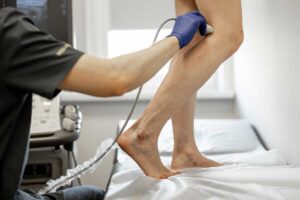
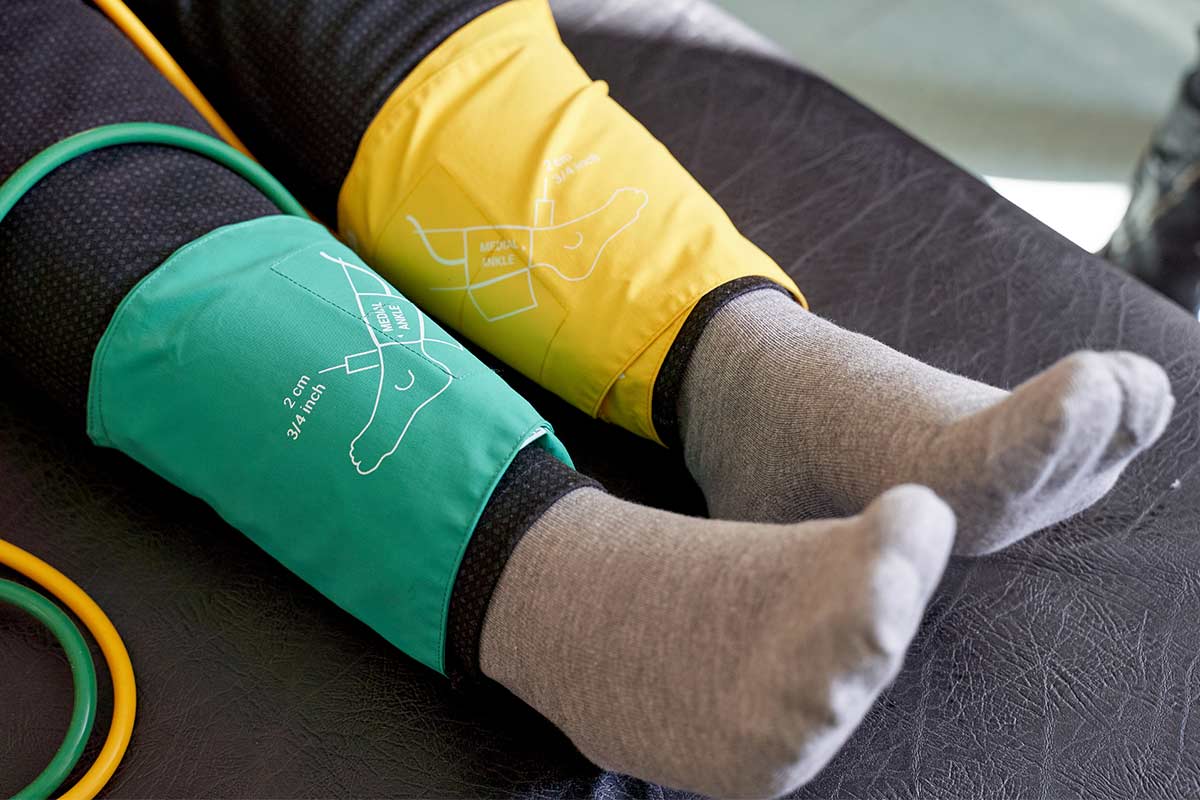
Evaluation starts with a careful history and physical examination. A resting ankle-brachial index, or ABI, compares the blood pressure at the ankle with the pressure in the arm and is recommended when symptoms or examination findings suggest PAD.
Patients with suspected chronic limb-threatening ischemia may also need toe pressures, a toe-brachial index, skin-perfusion testing or transcutaneous oxygen measurements. These tests can be especially important in patients with diabetes or kidney disease because calcified arteries may be difficult to compress, potentially making an ABI appear falsely reassuring.
PAD Treatment Is More Than a Procedure
PAD treatment begins with reducing cardiovascular and limb risk. Depending on the individual
patient, care may include:
- Tobacco cessation
- Cholesterol treatment
- Blood-pressure control
- Diabetes management
- Antiplatelet or other vascular medications
- Structured exercise therapy
- Regular foot care and surveillance
For patients whose walking remains significantly limited despite appropriate medical treatment and exercise, revascularization may improve walking ability and quality of life. For patients with chronic limb-threatening ischemia, revascularization is recommended when feasible to relieve
pain, heal wounds, minimize tissue loss and preserve a functional limb.
Why Early Evaluation Matters at VIC
Vascular Institute of Chattanooga was founded as a Regional Amputation Prevention Center and identifies itself as the region’s only Critical Limb Center. VIC combines vascular consultation, nationally accredited vascular testing, open surgical and minimally invasive endovascular expertise, wound-focused limb-preservation planning and long-term follow-up. Patients can contact VIC without a referral, and the practice provides rapid pathways for urgent vascular concerns.
PAD Awareness Month should lead to action, not fear. Leg symptoms do not automatically mean a procedure will be needed, and not every wound is caused by arterial disease. They do mean that the circulation question deserves an answer.
When walking pain, cold feet, rest pain, color changes or a non-healing wound are affecting you or someone you love, a vascular evaluation may be the step that protects both mobility and independence.
About the Author
Chris LeSar, MD, FACS, RVT®, founded Vascular Institute of Chattanooga in 2015 as a Regional Amputation Prevention Center. His clinical focus includes PAD, critical limb ischemia, complex vascular disease and the prevention of unnecessary amputations. Dr. LeSar is a founding member of the Outpatient Endovascular and Interventional Society and has been recognized as a Castle Connolly Top Doctor.