

 |
Leg pain when walking is a common symptom many people dismiss as a normal part of aging, arthritis, or muscle fatigue. However, persistent cramping, tightness, or discomfort in the calves, thighs, or hips during activity may be a sign of Peripheral Artery Disease (PAD), a circulation condition that affects millions of Americans.

PAD occurs when plaque builds up in the arteries, reducing blood flow to the legs and feet. When muscles do not receive enough oxygen during activity, patients often experience pain that improves with rest. This symptom is known as claudication and is one of the earliest warning signs of circulation problems.
Healthy arteries deliver oxygen-rich blood to muscles throughout the body. When plaque accumulates inside the arteries, blood flow becomes restricted. During activity such as walking, muscles require increased oxygen. If blood flow is limited, discomfort can occur.
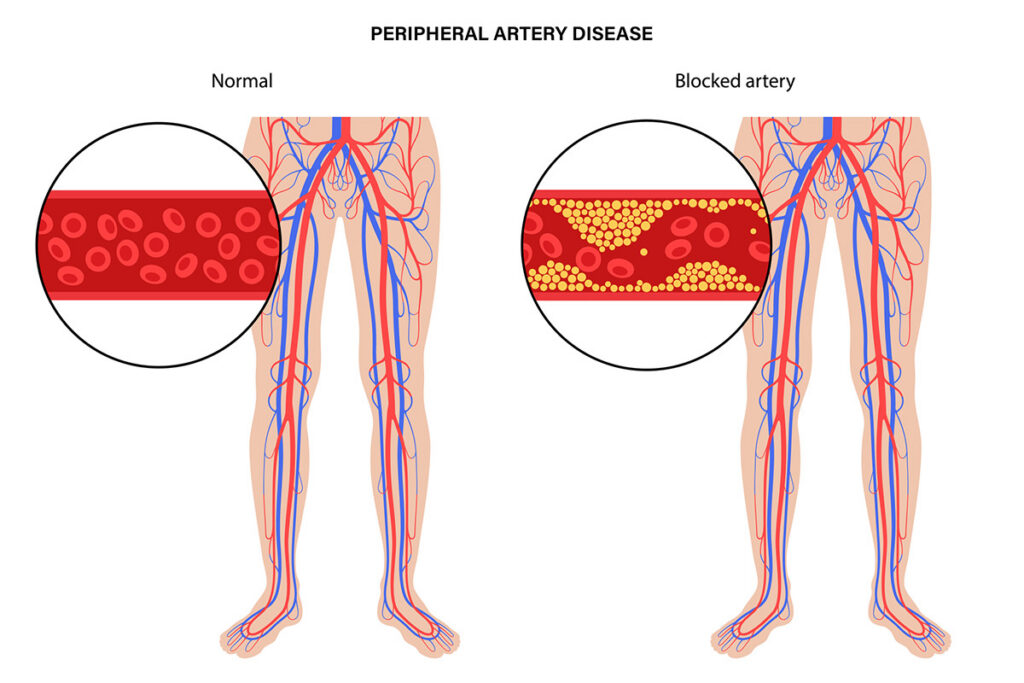
Common PAD symptoms include cramping in calves, thighs, or buttocks when walking, leg fatigue after short distances, numbness or weakness in the legs, cold feet or toes, slower walking pace due to discomfort, and decreased ability to exercise.
Risk factors include diabetes, smoking history, high cholesterol, high blood pressure, family history of vascular disease, age over 50, and sedentary lifestyle.
Early evaluation allows vascular specialists to assess circulation and identify treatment options designed to improve blood flow.
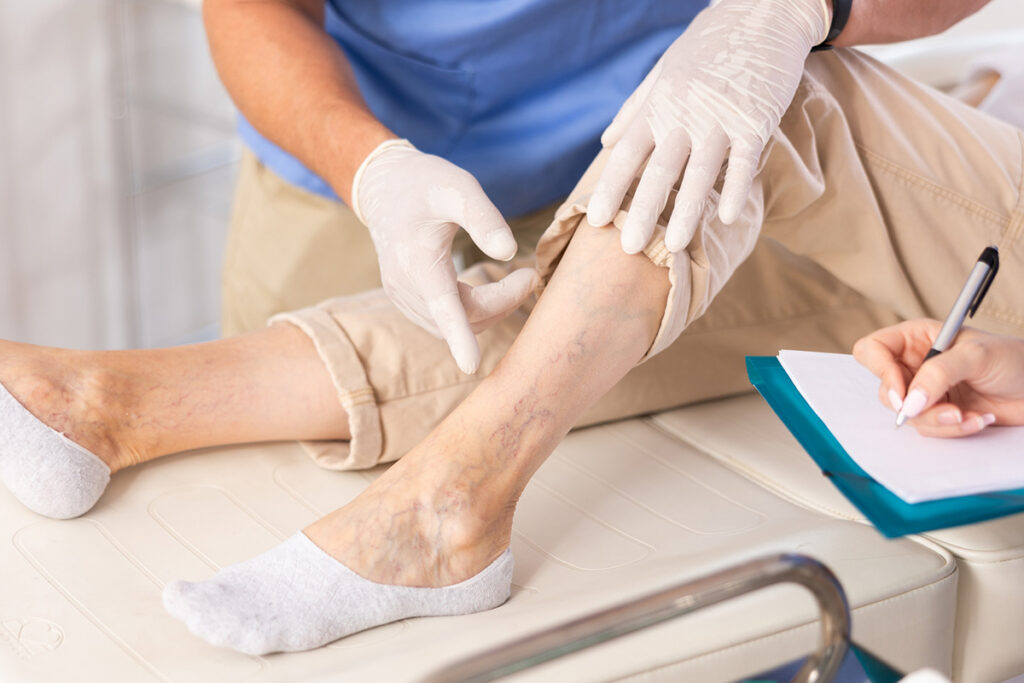
Treatment options include lifestyle modifications, medication management, and minimally invasive procedures such as angioplasty, stenting, and plaque removal.
Patients should consider evaluation if they experience leg pain when walking short distances, cramping that improves with rest, numbness or tingling in feet, cold lower extremities, decreased walking endurance, or slow healing wounds.
Vascular Institute of Chattanooga specializes in evaluating and treating circulation conditions affecting arteries and veins. Appointments are often available quickly and self-referrals are welcome.