
 |
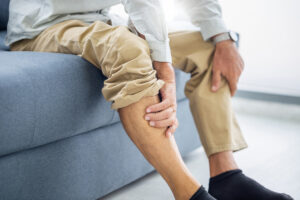
One of the most devastating consequences of untreated Peripheral Arterial Disease (PAD) is amputation. PAD is the leading cause of non-traumatic lower-limb amputations in the United States. The tragedy is that most of these amputations are preventable with early diagnosis and treatment.
How PAD Progresses to Amputation
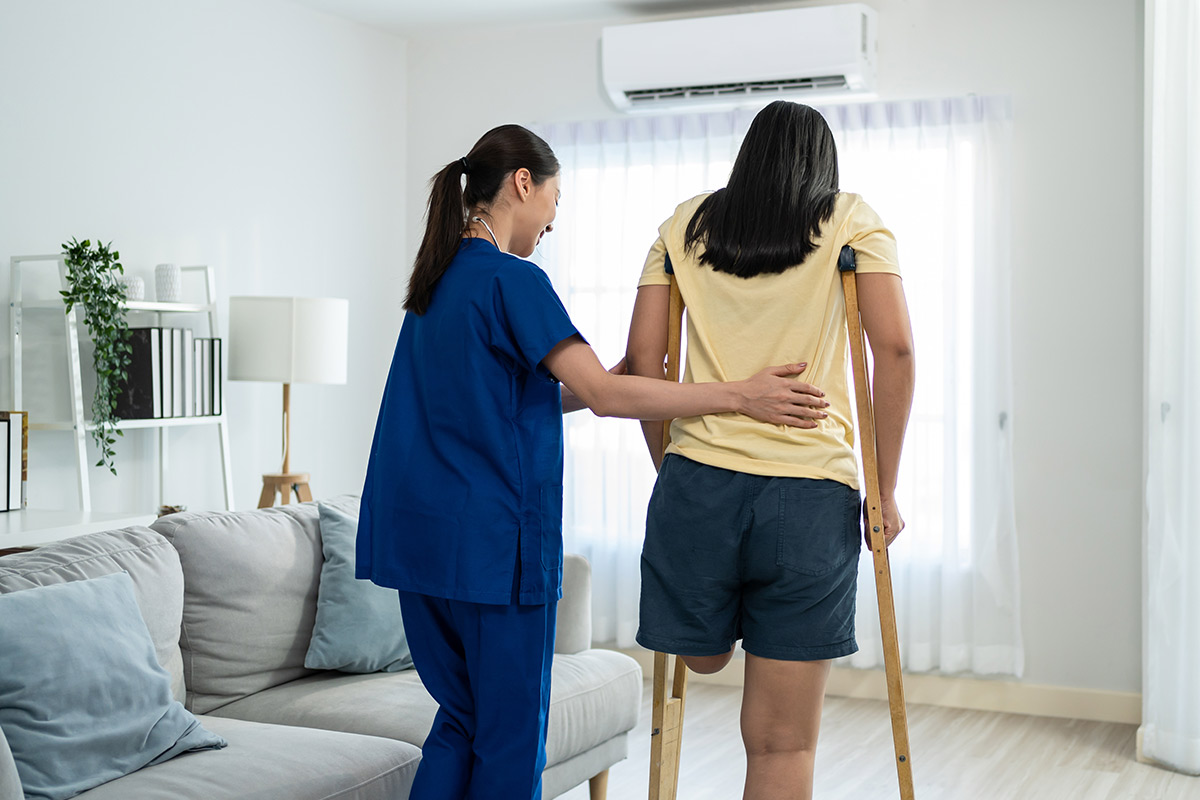
When PAD goes undiagnosed, reduced blood flow leads to chronic wounds, infections, and tissue death. This advanced stage, known as Critical Limb Ischemia (CLI), is a vascular emergency. Without intervention, many patients face amputation to stop the spread of infection.
Signs You May Be at Risk
- Persistent leg pain or numbness
- Sores or ulcers that do not heal
- Blackened skin or toes
- Rest pain in feet or legs
- Swelling with discoloration
Risk Factors for Amputation
- Diabetes
- Smoking
- Advanced PAD or CLI
- Delayed diagnosis
- Poor wound care or infection
How the Vascular Institute of Chattanooga Can Help
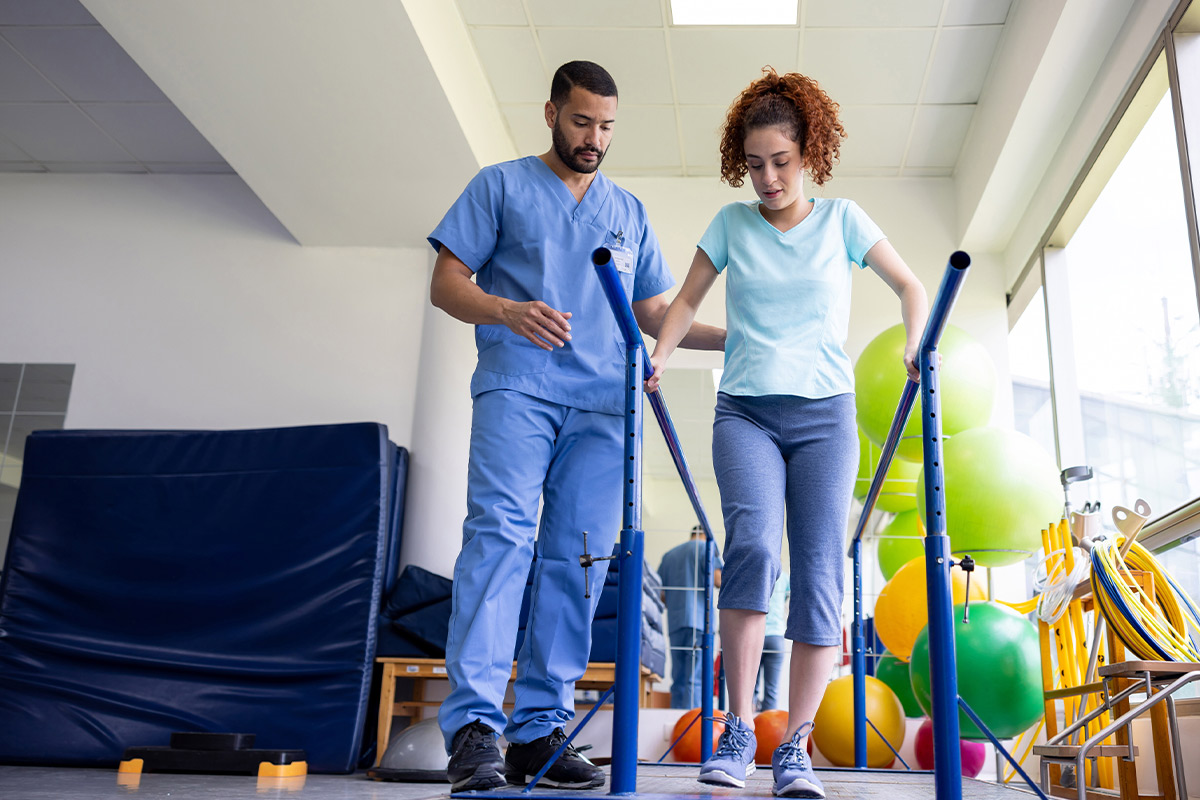
At VIC, our mission is amputation prevention. As a Critical Limb Center, we specialize in advanced endovascular procedures to restore blood flow and heal wounds. Our limb salvage program has helped countless patients avoid amputation and regain quality of life.
Frequently Asked Questions (FAQ)
Q: Are all PAD patients at risk of amputation?
A: No, but those with advanced disease, diabetes, or untreated CLI face higher risks.
Q: How can amputation be prevented?
A: Early detection, proper vascular care, and wound management are key.
Q: What happens after amputation?
A: While prosthetics can restore mobility, amputation is associated with reduced quality of life and increased mortality. Prevention is always best.
Q: Should I get screened if I have risk factors but no symptoms?
A: Yes. Early PAD often has no symptoms but still carries serious risks.
Conclusion
Amputation is not inevitable with PAD. With timely diagnosis and advanced care, most cases can be prevented.
Don’t wait until it’s too late. Schedule a vascular evaluation at the Vascular Institute of Chattanooga today by calling (423) 602-2750 or requesting your appointment online.