
 |
Understanding Hyperpigmentation from Vein Disease
Have you noticed your ankles or lower legs turning brown or reddish? While it may seem like a harmless skin change, this darkening—called hyperpigmentation—can be an early warning sign of chronic venous insufficiency (CVI). Left untreated, CVI can lead to worsening skin damage and even venous ulcers. Understanding why these changes happen and when to seek help can make a big difference in protecting your health.
What is Hyperpigmentation in Venous Disease?
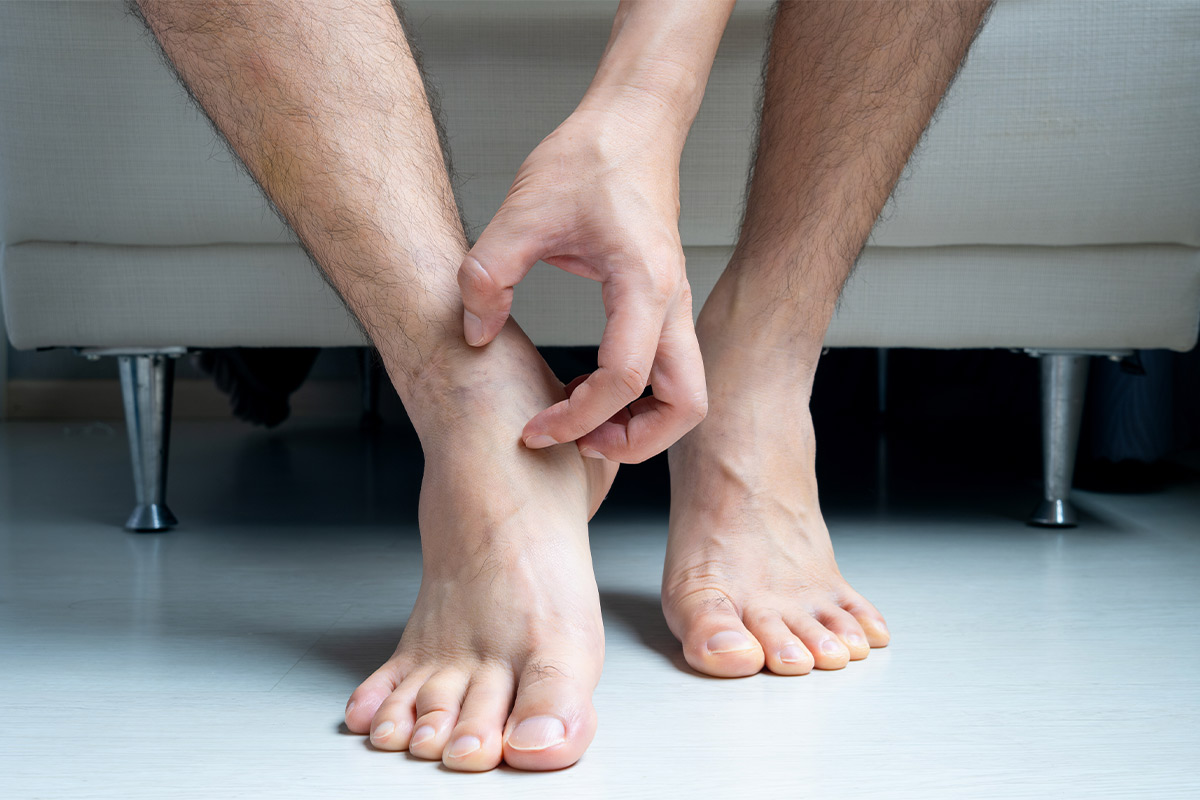
Hyperpigmentation refers to darkened areas of the skin caused by the leakage of blood from fragile veins under pressure. When red blood cells escape into surrounding tissue, they break down and release iron deposits (hemosiderin), which stain the skin. This usually occurs around the ankles and lower legs where venous pressure is highest.
Symptoms and Warning Signs
- Brown, reddish, or purplish discoloration on the ankles or lower legs
- Itching or skin irritation
- Tight or shiny skin that feels uncomfortable
- Subtle thickening of the skin over time
Risk Factors
You’re more likely to develop hyperpigmentation if you have:
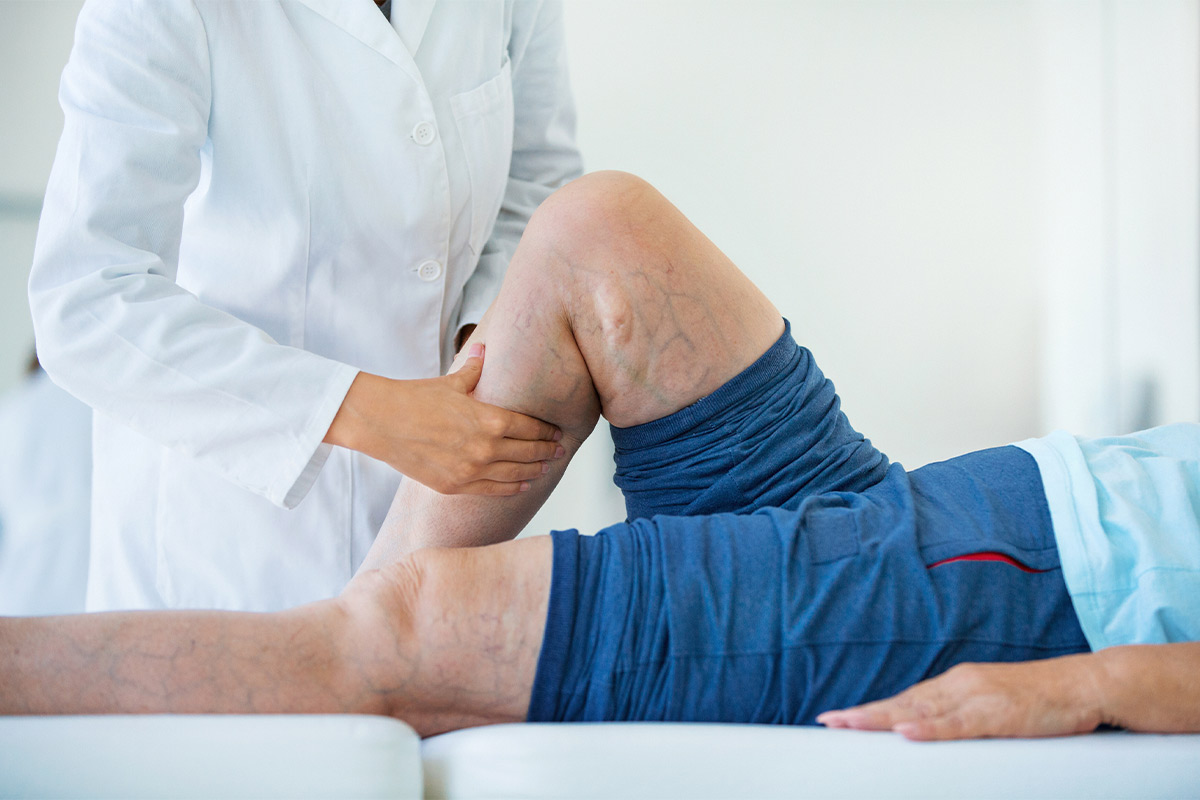
- Varicose veins
- A history of deep vein thrombosis (DVT)
- Obesity or sedentary lifestyle
- Long periods of standing or sitting
- A family history of vein disease
How the Vascular Institute of Chattanooga Can Help
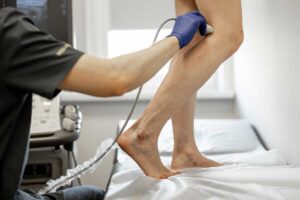
At VIC, our specialists use advanced ultrasound diagnostics to detect venous reflux—the backward flow of blood that causes hyperpigmentation and CVI. We offer minimally invasive vein treatments such as endovenous ablation and sclerotherapy to correct the underlying problem, improve circulation, and prevent progression to more serious complications like ulcers.
Frequently Asked Questions (FAQ)
Q: Is hyperpigmentation dangerous?
A: By itself, it’s not dangerous—but it’s a visible marker of underlying vein disease that can progress if untreated.
Q: Can the skin discoloration go away?
A: Treatment of the underlying vein issue may improve the appearance, but often the discoloration is permanent. Preventing further damage is key.
Q: What’s the first step if I notice these changes?
A: Schedule a vein evaluation. VIC can perform a painless ultrasound to confirm whether venous reflux is the cause.
Q: Does everyone with varicose veins get hyperpigmentation?
A: Not necessarily, but untreated varicose veins significantly raise the risk.
Conclusion
Hyperpigmentation is often one of the first visible signs of chronic venous insufficiency. Don’t dismiss it as “just a skin change.” Early intervention can help you avoid complications and keep your legs healthy.
If you’ve noticed darkening skin around your ankles or lower legs, don’t wait. Contact the Vascular Institute of Chattanooga today at (423) 602-2750 or request an appointment online to protect your health and mobility.