
 |
What Is Peripheral Arterial Disease?
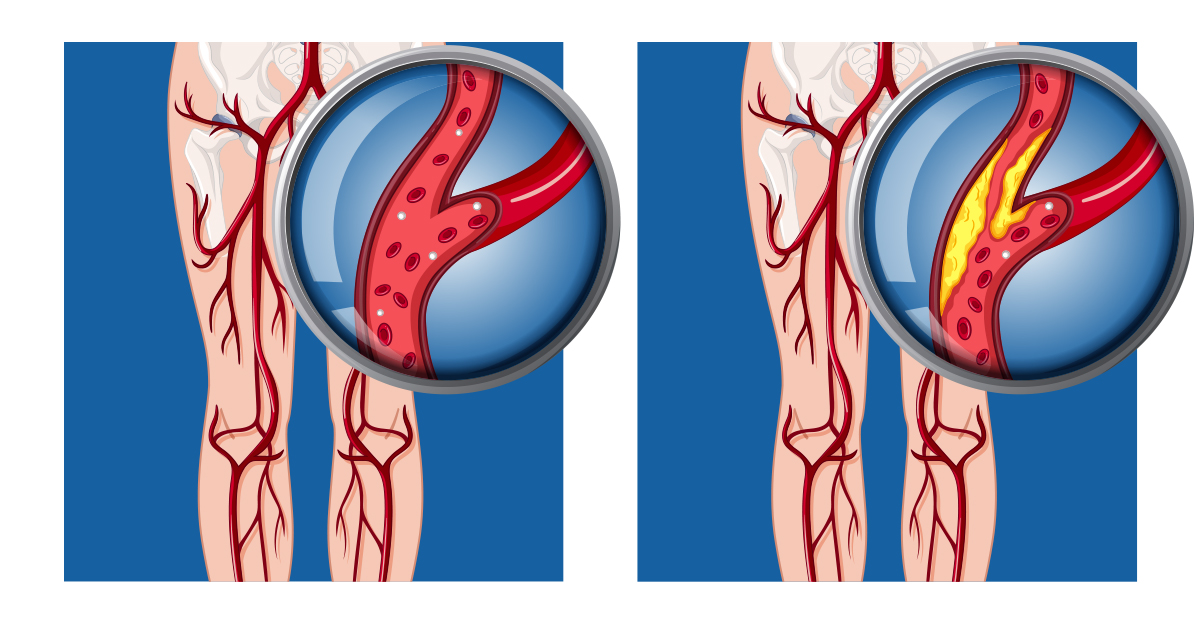
Peripheral Arterial Disease (PAD) is a common circulatory condition that develops when plaque builds up inside the arteries supplying blood to the legs and feet. As these arteries narrow, less oxygen-rich blood reaches the muscles and skin, leading to pain, slower wound healing, and in advanced cases, limb-threatening ischemia.
PAD affects millions of Americans and is one of the leading causes of preventable limb loss. Unfortunately, many people dismiss the early symptoms as arthritis, aging, or back problems, delaying treatment until the disease has progressed.
Common Symptoms of PAD
The most common symptom is leg pain or cramping while walking, known as claudication, which typically improves with rest. Other symptoms include:
• Leg fatigue or heaviness
• Cold feet or toes
• Numbness or weakness
• Slow-healing sores or foot wounds
• Skin discoloration
• Loss of hair on the legs
• Pain at rest, especially at night
• Gangrene in severe cases
Who Is at Risk?
Risk factors include diabetes, smoking, high blood pressure, high cholesterol, chronic kidney disease, obesity, advancing age, and a family history of cardiovascular disease. Patients with PAD are also at increased risk for heart attack and stroke because plaque often affects arteries throughout the body.
How Is PAD Diagnosed?
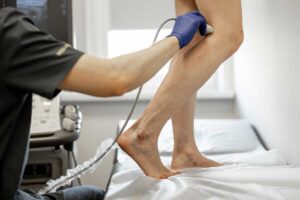
Diagnosis begins with a vascular evaluation and physical examination. Depending on your symptoms, testing may include an ankle-brachial index (ABI), duplex vascular ultrasound, CT angiography, MR angiography, or diagnostic angiography. These studies help determine the location and severity of arterial narrowing.
Treatment Options
Treatment focuses on improving circulation, relieving symptoms, and preventing limb loss. Lifestyle changes such as smoking cessation, exercise therapy, diabetes management, and cholesterol control are essential. When necessary, minimally invasive procedures including angioplasty, atherectomy, drug-coated balloons, stenting, or surgical bypass may be recommended based on the severity of disease.
Why Early Diagnosis Matters
PAD should never be ignored. Early diagnosis can prevent progressive tissue damage, reduce the risk of amputation, and improve mobility and quality of life. Because PAD is also a warning sign of widespread cardiovascular disease, prompt treatment benefits both limb health and overall heart health.
Frequently Asked Questions
Can PAD be cured?
While plaque cannot always be eliminated, treatment can significantly improve blood flow and symptoms.
Is leg pain always PAD?
No. Many conditions cause leg pain, which is why a vascular evaluation is important.
Can exercise help?
Yes. A supervised walking program is one of the most effective treatments for many patients with PAD.
Will everyone need surgery?
No. Many patients respond well to medications, lifestyle changes, or minimally invasive procedures.
Why Choose the Vascular Institute of Chattanooga?
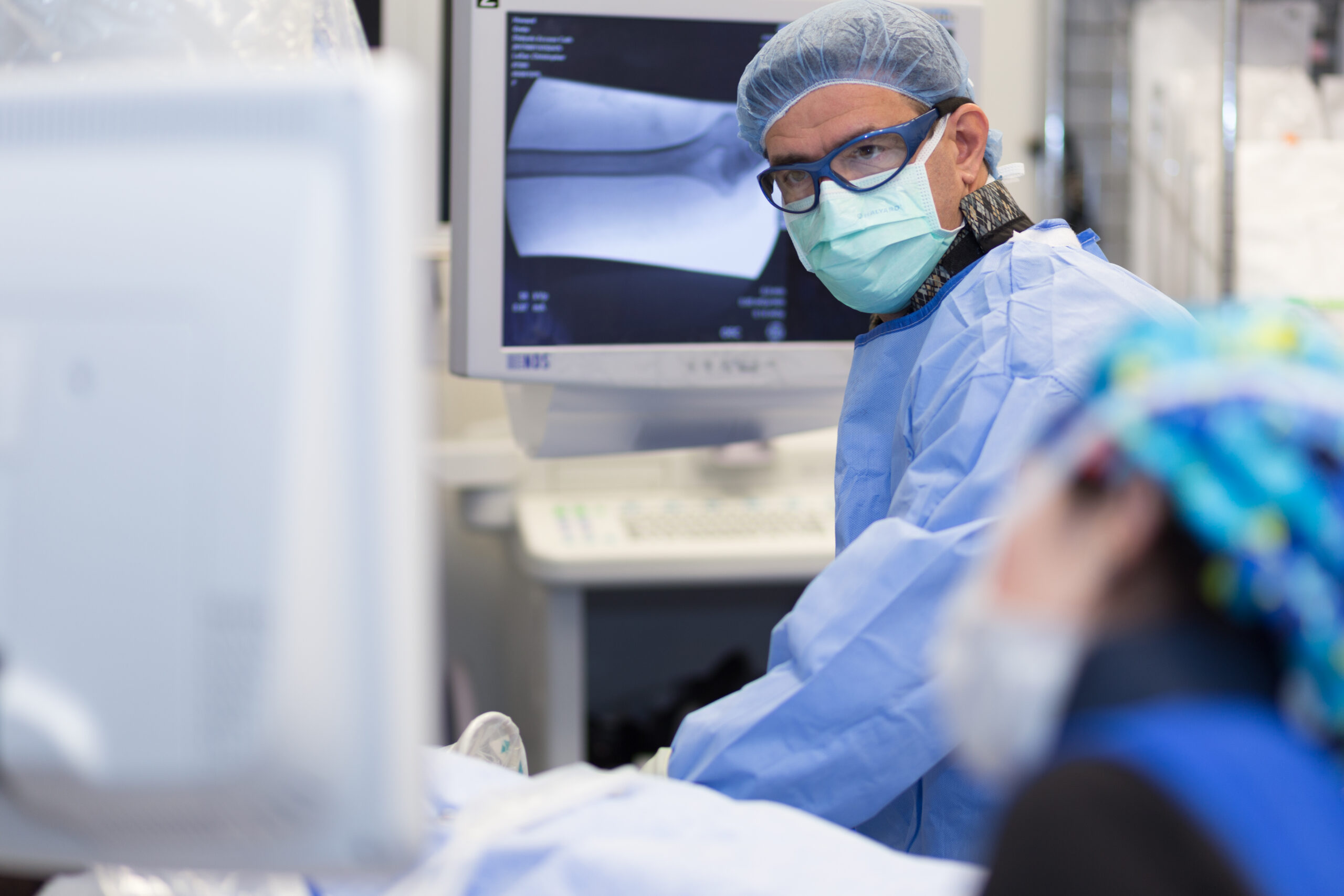
The Vascular Institute of Chattanooga specializes in early detection, limb preservation, and minimally invasive treatment of Peripheral Arterial Disease. Our nationally accredited vascular laboratories, experienced vascular specialists, and rapid access to care help patients receive timely treatment before serious complications develop.
Schedule Your Evaluation
If you experience leg pain when walking, non-healing foot wounds, cold feet, or poor circulation, do not ignore the warning signs. Schedule a comprehensive vascular evaluation with the Vascular Institute of Chattanooga. Early diagnosis can protect your mobility, preserve your limbs, and improve your overall health.