
 |
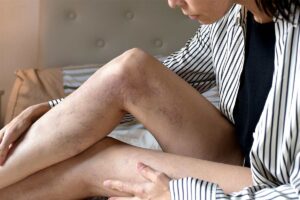
Peripheral Artery Disease (PAD) affects millions of Americans, yet many people don’t realize they have it. PAD occurs when plaque builds up inside the arteries, reducing blood flow to the legs. While symptoms may begin subtly, PAD is a serious vascular condition that can progress quickly if left untreated.
Common early symptoms include leg pain or cramping with walking that improves with rest, heaviness or fatigue in the calves, cold feet, numbness, and slow-healing wounds. These symptoms are often mistaken for aging, arthritis, or nerve issues.
Early diagnosis is critical. When blood flow is reduced, even small injuries can become serious infections. Left untreated, PAD can progress to Critical Limb Ischemia and increase the risk of amputation, heart attack, and stroke.
Diagnosis typically involves non-invasive testing such as vascular ultrasound and ankle-brachial index testing. These tools help determine severity and guide treatment.
The Vascular Institute of Chattanooga specializes in PAD diagnosis and treatment, from medical management to advanced minimally invasive interventions. We accept self-referrals, offer appointments within a week, and have six convenient locations.
FAQs:
What causes PAD? Plaque buildup from cholesterol and inflammation.
Who is at risk? Smokers, diabetics, and adults over 50.
Is PAD treatable? Yes, especially when caught early.
Click here or call 423.602.2750 to schedule an evaluation.