
 |
For patients with kidney failure, dialysis access is truly a lifeline. Whether it’s a fistula or graft, this access point allows life-sustaining dialysis treatments to occur several times each week.
But over time, dialysis access can develop problems that threaten its function — and when access fails, treatments are missed, emergencies occur, and hospitalizations follow.
Understanding the warning signs can prevent serious complications.
What Happens to Dialysis Access Over Time?
Fistulas and grafts are created surgically to provide reliable blood flow for dialysis. However, because they are used frequently and experience high blood flow, they can develop:
● Narrowing (stenosis)
● Clotting (thrombosis)
● Poor flow
● Swelling or prolonged bleeding
● Infection
These issues rarely happen suddenly. There are usually early warning signs.
Warning Signs You Should Never Ignore

Patients and dialysis staff should watch for:
● Arm or hand swelling
● Prolonged bleeding after dialysis
● Difficulty cannulating the access
● Weak or absent “thrill” (vibration)
● Dialysis machine alarms for poor flow
● Pain in the access arm
● Pulling clots
These signs mean blood flow is restricted and urgent vascular evaluation is needed.
What Is Dialysis Access Failure?

Dialysis access failure happens when blood flow through your fistula or graft becomes restricted due to narrowing (stenosis) or clotting (thrombosis). Because dialysis requires strong, consistent blood flow, even small changes can cause big problems.
This is one of the most common reasons dialysis patients end up in the hospital — and it is often preventable with early vascular care.
How Vascular Specialists Fix Dialysis Access

At the Vascular Institute of Chattanooga, we specialize in dialysis access repair and maintenance. Using minimally invasive procedures, we can:
● Open narrowed areas with angioplasty
● Remove clots before access fails
● Restore proper blood flow quickly
● Prevent the need for temporary catheters
● Keep patients on their dialysis schedule
Most procedures are outpatient and allow patients to return to dialysis immediately.
The Importance of Routine Surveillance

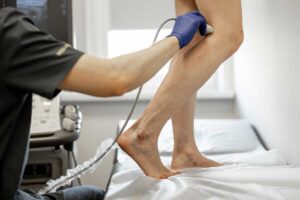
Dialysis access should be monitored regularly with vascular ultrasound. This painless test can detect narrowing before symptoms even start.
Protect Your Lifeline
If you notice changes in your dialysis access, do not wait. Early care prevents emergencies and keeps your treatments on track.
Self-referrals are welcome and appointments are available within one week at six locations.