

Dialysis Access Problems Explained – When to Seek Vascular Care
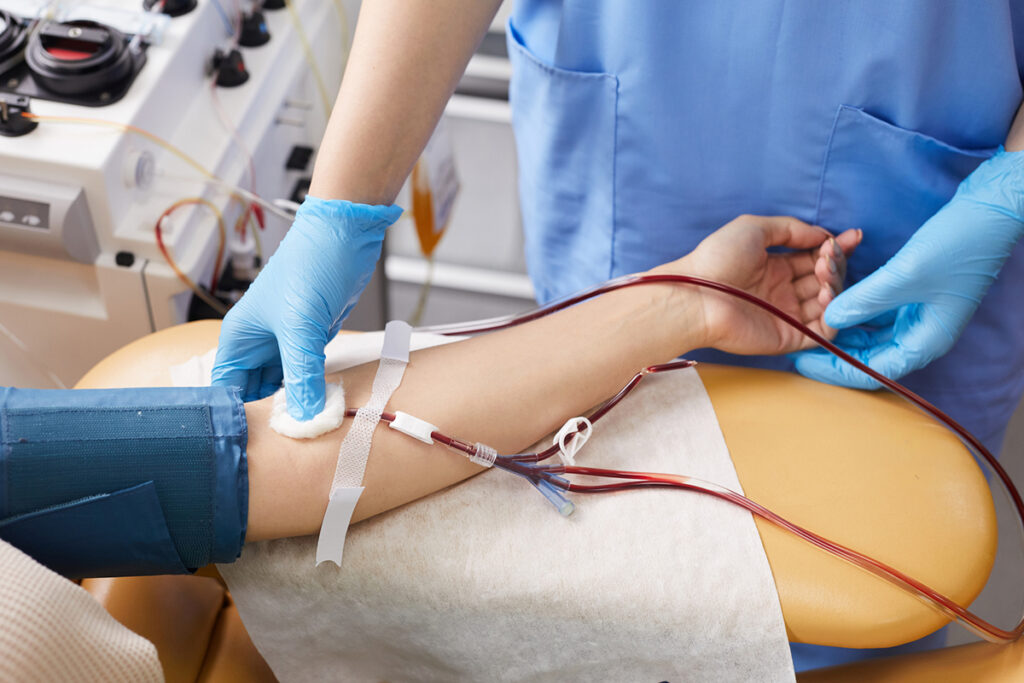
For patients with kidney failure, dialysis access is truly a lifeline. Whether it’s a fistula or graft, this access point allows life-sustaining dialysis treatments to occur several times each week. But over time, dialysis access can develop problems that threaten its function — and when access fails, treatments are missed, emergencies occur, and hospitalizations follow. […]
How Early PAD Treatment Can Prevent Wounds, Amputation, and Disability

Early treatment of Peripheral Artery Disease can dramatically change outcomes. When circulation is restored early, wounds heal faster, pain improves, and mobility is preserved. PAD restricts oxygen delivery to tissues. Over time, this leads to ulcers, infections, and tissue death. Early intervention can stop this progression. Treatment options include lifestyle changes, medication, and minimally invasive […]
What Is Peripheral Artery Disease (PAD)? Early Symptoms You Shouldn’t Ignore

Peripheral Artery Disease (PAD) affects millions of Americans, yet many people don’t realize they have it. PAD occurs when plaque builds up inside the arteries, reducing blood flow to the legs. While symptoms may begin subtly, PAD is a serious vascular condition that can progress quickly if left untreated. Common early symptoms include leg pain […]
Women & Vascular Aging: What Every Woman Over 50 Should Know

Women’s health conversations often focus on heart disease, hormones, or bone strength — but there’s another system that deserves just as much attention: the vascular system. As women age, their risk for vascular disease rises significantly, yet many of these conditions go unrecognized or are misdiagnosed for years. The Hidden Side of Women’s Circulation While […]
Silent Threats of Aging: The Vascular Connection to Memory, Mobility, and More

It’s easy to assume that slower movement, occasional forgetfulness, or fatigue are simply part of the aging process. But beneath these subtle changes, your circulatory system may be sending early warning signs of something more serious — vascular disease. As the body ages, arteries naturally stiffen and lose flexibility. Over time, fatty deposits known as […]
Circulation is the Foundation of Longevity

Longevity isn’t just about living longer — it’s about living better. At the heart of that goal lies your vascular system. Every organ, muscle, and cell in your body depends on a steady supply of oxygen-rich blood. When circulation slows or arteries narrow, the effects ripple throughout your body, influencing everything from heart health and […]
A Decade of Keeping the Region Flowing: VIC’s 10-Year Anniversary Spotlight
Ten years ago, the Vascular Institute of Chattanooga (VIC) began with a mission — to bring world-class vascular care closer to home for patients across the Tennessee Valley. What started as a single vision has grown into a regional leader in comprehensive vascular health. Over the past decade, VIC has transformed how vascular medicine is […]
From Veins to Arteries: Complete Vascular Care for Every Stage of Life

Your vascular system is a remarkable network of arteries and veins working together to deliver life-sustaining blood throughout the body. Arteries carry oxygen-rich blood from the heart to every organ, while veins return blood back to the heart for reoxygenation. When either part of this system is compromised, your health, mobility, and quality of life […]
The Winter Circulation Slowdown: How Cold Weather Affects Your Vascular System

Winter brings cozy sweaters, hot drinks, and a chill in the air — but it also brings unique challenges for your vascular system. Cold weather can constrict blood vessels, making it harder for blood to flow throughout the body. For people with existing vascular conditions, such as Peripheral Artery Disease (PAD) or chronic venous insufficiency, […]
Strong Legs, Strong Life: Keeping Your Mobility Through Vascular Health

Your legs do more than carry you through life — they’re the foundation of your mobility, balance, and independence. As we age, maintaining leg strength isn’t just about exercise; it’s about ensuring those muscles and tissues get the healthy blood flow they need to function properly. Vascular health plays a major role in how well […]