
 |
Your legs do more than carry you through life — they’re the foundation of your mobility, balance, and independence. As we age, maintaining leg strength isn’t just about exercise; it’s about ensuring those muscles and tissues get the healthy blood flow they need to function properly. Vascular health plays a major role in how well we walk, recover, and remain active. When circulation slows, movement becomes harder — and that can lead to a decline in confidence, activity, and overall quality of life.
The Link Between Circulation and Strength
Every step you take depends on oxygen-rich blood reaching your leg muscles. If arteries become narrowed or blocked due to plaque buildup — a condition known as Peripheral Artery Disease (PAD) — those muscles are deprived of oxygen. This causes cramping, heaviness, or fatigue that makes it difficult to stay active.
PAD affects nearly 20% of adults over 65, yet many go undiagnosed. The early signs are often mistaken for arthritis, muscle strain, or just aging. Over time, reduced blood flow can limit walking distance, make stairs challenging, and even cause wounds that won’t heal.

Mobility Is the Key to Longevity
Numerous studies show that staying mobile directly impacts longevity and independence. People who walk regularly have lower risks of heart disease, dementia, and depression — all linked to good circulation. When PAD or other vascular conditions go untreated, it can set off a chain reaction: pain leads to inactivity, inactivity leads to muscle loss, and that muscle loss leads to reduced stability and falls.
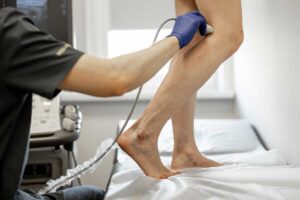
The Vascular Institute of Chattanooga specializes in diagnosing and treating circulation problems that threaten mobility. Our team uses advanced imaging, ultrasound, and minimally invasive procedures to restore blood flow and help patients regain strength and confidence.
Warning Signs That Circulation Is Slowing
If you’ve noticed any of these symptoms, your legs may be trying to tell you something:
– Leg pain or cramping that starts when you walk and improves with rest
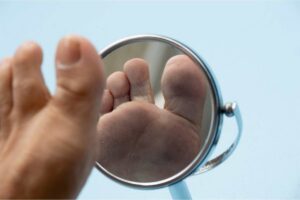
– Cold or numb feet and toes
– Shiny, discolored, or thinning skin on your legs
– Wounds that heal slowly or not at all
These are not signs of normal aging. They’re red flags of possible PAD or venous disease. Learn more about PAD testing and treatment options.
Modern Vascular Treatments Restore Movement
The good news is that circulation problems can often be corrected quickly and safely. At VIC, we perform state-of-the-art endovascular procedures in our outpatient centers — often with no hospital stay and minimal recovery time. These include angioplasty, stenting, and atherectomy to remove blockages and reopen blood flow to the legs.
Many patients notice an immediate difference: walking farther, standing longer, and feeling more energized. By restoring circulation, we restore movement — and that means a stronger, more active life.
Protecting Your Legs for the Long Run
Healthy legs depend on healthy arteries. You can protect your circulation and keep your legs strong by:
– Walking or cycling daily to promote blood flow
– Avoiding smoking and managing blood pressure
– Eating a diet low in processed fats and high in colorful produce
– Scheduling a vascular screening every year after age 50
These simple steps can prevent PAD and other vascular diseases that threaten independence. To schedule your vascular evaluation or screening, visit www.VascularInstituteOfChattanooga.com or call 423-602-2750.
Keeping Life Flowing for Every Generation.