
 |
When Leg Swelling or Pelvic Pain Has No Clear Answer
Many patients live for months—or even years—with unexplained leg swelling, pelvic pain, heaviness, fatigue, or recurrent varicose veins before learning that the true problem is a venous compression syndrome. These conditions occur when a vein is compressed by a nearby artery, bone, or other structure, restricting normal blood flow and increasing pressure within the vein. Because symptoms often mimic orthopedic, gynecologic, or gastrointestinal conditions, diagnosis is frequently delayed.
At the Vascular Institute of Chattanooga, our vascular specialists evaluate patients with persistent symptoms using advanced vascular imaging to identify underlying venous disease and develop individualized treatment plans.
What Are Venous Compression Syndromes?
Venous compression syndromes are disorders in which important veins become narrowed or compressed, slowing blood return to the heart. Over time this increased venous pressure can produce pain, swelling, visible veins, blood clots, and reduced quality of life.
Common disorders include:
• May-Thurner Syndrome – compression of the left iliac vein that can cause left leg swelling, pain, and deep vein thrombosis.
• Pelvic Congestion Syndrome – enlarged pelvic veins causing chronic pelvic pain, especially after prolonged standing or pregnancy.
• Nutcracker Syndrome – compression of the left renal vein that may result in flank pain, pelvic symptoms, blood in the urine, or pelvic varicose veins.
Common Symptoms
Symptoms vary depending on the vein involved but commonly include:
• One-sided leg swelling
• Leg heaviness or aching
• Pelvic pressure or chronic pelvic pain
• Varicose veins
• Pain after prolonged standing
• Fatigue of the legs
• Recurrent blood clots
• Pain during or after exercise
• Discomfort during or after intercourse in some women
• Symptoms that continue despite compression stockings or conservative care

Who Is at Risk?
Although these conditions can affect anyone, they are seen more frequently in women, patients with a history of pregnancy, individuals with previous blood clots, and patients with unexplained chronic venous insufficiency. Many otherwise healthy adults are surprised to learn their symptoms are caused by a treatable vascular condition rather than aging or arthritis.
How Are They Diagnosed?
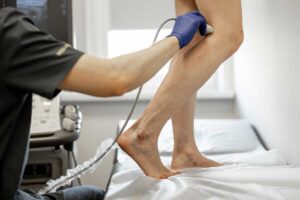
Accurate diagnosis begins with a detailed history and physical examination. Depending on symptoms, evaluation may include vascular ultrasound, CT venography, MR venography, intravascular ultrasound (IVUS), or catheter-based venography. These specialized studies help identify the location and severity of compression while guiding treatment decisions.
Treatment Options
Treatment is individualized. Some patients benefit from compression therapy and lifestyle changes, while others require minimally invasive procedures such as angioplasty, venous stenting, embolization, or image-guided interventions. These procedures are typically performed through a tiny catheter with minimal downtime, allowing many patients to return home the same day.
Why Early Diagnosis Matters
Without treatment, venous compression syndromes may contribute to worsening pain, progressive swelling, recurrent DVT, skin changes, and a decline in quality of life. Early evaluation allows treatment before complications develop and may prevent years of unnecessary symptoms.
Frequently Asked Questions
Can venous compression cause only one swollen leg?
Yes. One-sided swelling is a common sign of May-Thurner Syndrome.
Are these conditions common?
They are more common than many people realize but are frequently overlooked because symptoms mimic other conditions.
Will everyone need a stent?
No. Treatment depends on the underlying cause, severity of symptoms, and imaging findings.
Can these conditions be treated without major surgery?
Yes. Most patients who require intervention can be treated with minimally invasive image-guided procedures.

Why Choose the Vascular Institute of Chattanooga?
The Vascular Institute of Chattanooga provides comprehensive vascular evaluation using advanced imaging, nationally accredited vascular laboratories, and minimally invasive treatment options. Our experienced vascular specialists work closely with referring physicians to identify complex venous disorders and develop individualized treatment plans focused on improving quality of life.
Schedule an Evaluation
If you have persistent leg swelling, pelvic pain, unexplained varicose veins, or symptoms that have not improved with conservative treatment, schedule an evaluation with the Vascular Institute of Chattanooga. Early diagnosis can help restore healthy circulation, relieve symptoms, and prevent future complications.