
 |
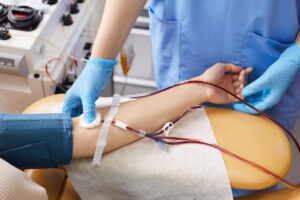
Most dialysis patients don’t realize that vascular specialists play a critical role in keeping dialysis access working properly. When fistulas and grafts begin to narrow or clot, fast treatment by a vascular team can prevent serious complications.
This is how we help patients avoid hospital visits, missed treatments, and emergency catheters.
Why Dialysis Access Commonly Develops Problems?
Fistulas and grafts handle high blood flow several times a week. Over time, the vessel walls can thicken, creating narrowing that restricts flow. This process is gradual, which is why surveillance is so important.
Without monitoring, patients often don’t know there’s a problem until the access clots.
What Is Dialysis Access Surveillance?

Surveillance means regularly checking your access with:
● Physical exam
● Listening for changes in sound
● Feeling for changes in thrill
● Vascular ultrasound imaging
At VIC, we use ultrasound to find problems early — before patients ever feel symptoms.
Minimally Invasive Procedures That Save Access
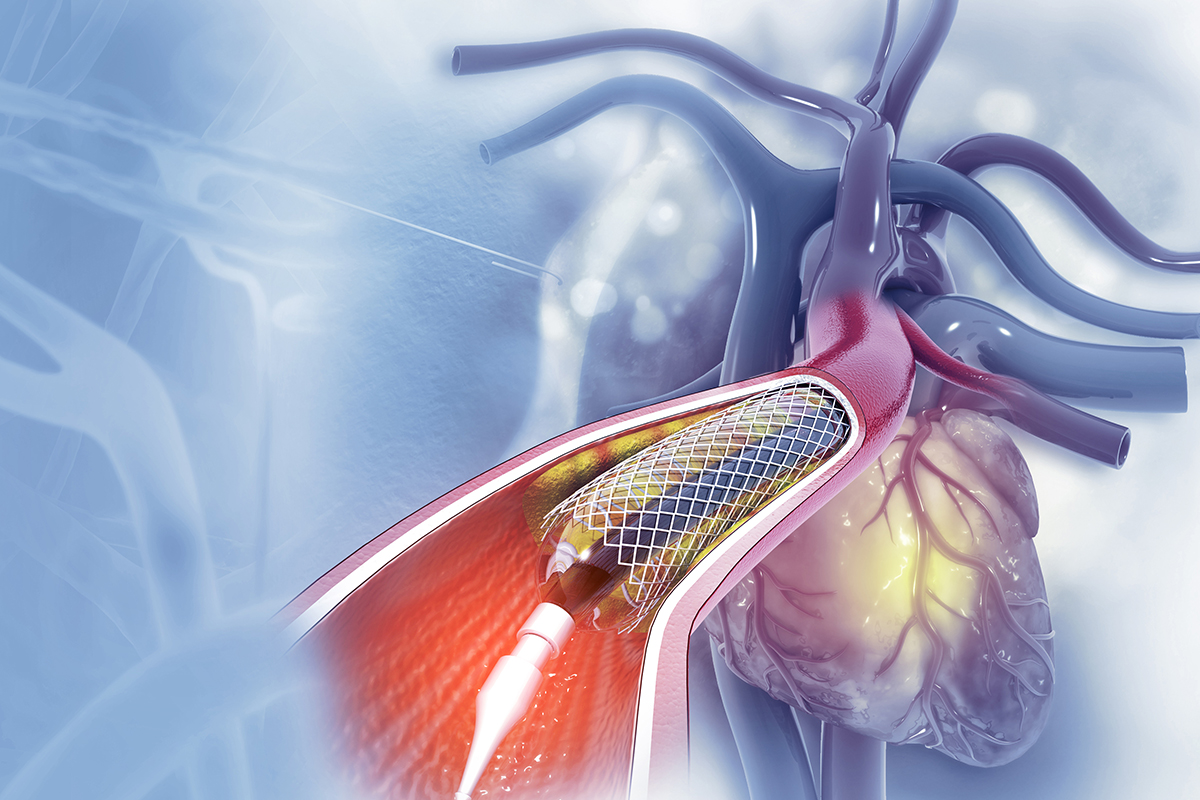
When narrowing is found early, treatment is simple:
● Angioplasty to open the narrowing
● Declotting procedures to remove blockages
● Stenting if needed to keep the vessel open
These procedures are quick, outpatient, and allow patients to return to dialysis the same day or next day.
Preventing the Need for a Dialysis Catheter
One of the biggest goals of vascular access care is preventing temporary dialysis catheters. Catheters increase the risk of:
● Infection
● Hospitalization
● Delays in treatment
By maintaining fistulas and grafts, we keep patients safer.
When Dialysis Centers Refer to VIC
Dialysis staff are trained to spot warning signs early. When they notice changes, they refer patients directly to our vascular team for fast evaluation and treatment.
Frequently Asked Questions Patients Ask Online

Can my fistula be fixed without surgery?
Yes. Most repairs are minimally invasive.
How fast can I be seen?
Usually within days — often before your next dialysis session.
Is ultrasound really helpful?
Yes. It finds problems before they become emergencies.
Can you save a clotted graft?
Very often, if treated quickly.
Keep Your Dialysis Access Working for You
Your dialysis access is too important to ignore. Routine monitoring and early treatment can prevent emergencies and keep you healthy.
Call 423.602.2750 to schedule a dialysis access evaluation. Self-referrals are welcome at all VIC locations.