
 |
A slow-healing wound on your leg may seem small, but for many, it signals a serious condition: venous stasis ulcers. These ulcers are the most advanced stage of chronic venous insufficiency (CVI) and can cause long-term pain, disability, and risk of infection.
What are Venous Stasis Ulcers?
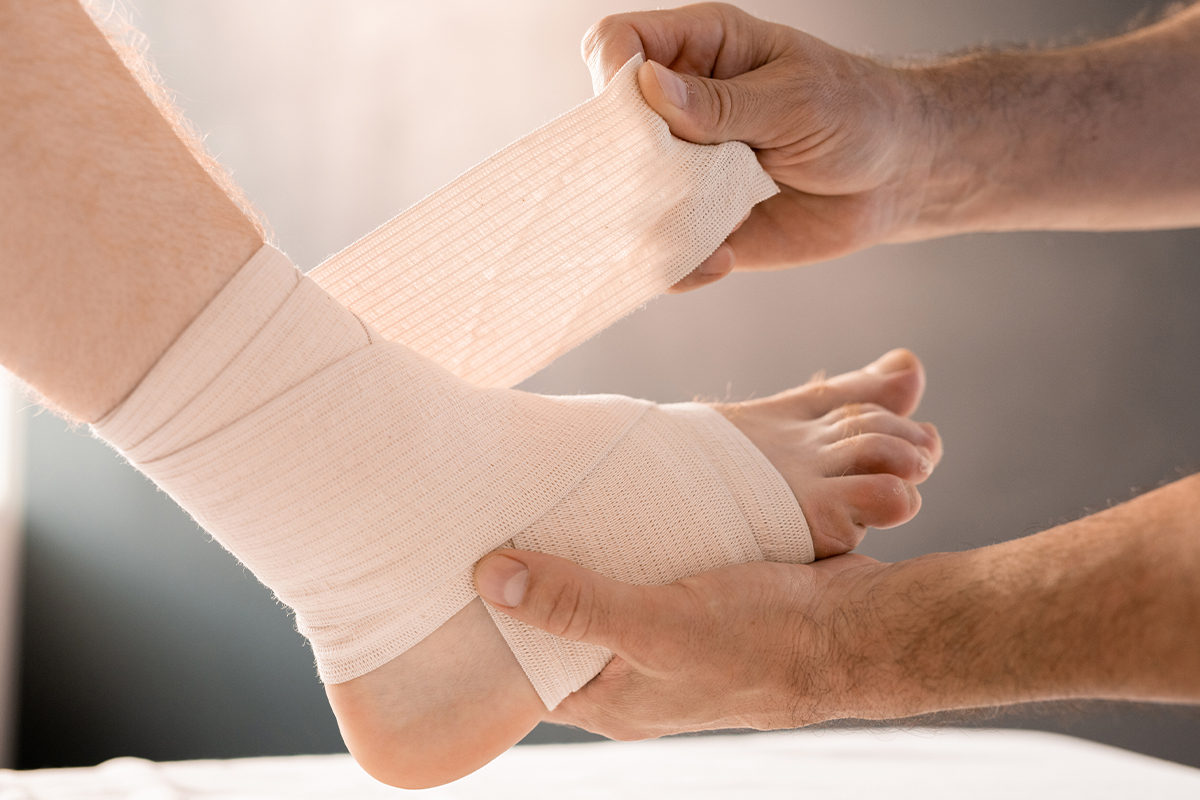
Venous stasis ulcers are shallow, irregularly shaped wounds that typically appear around the ankles, most often on the inner leg. They develop when poor circulation prevents tissues from getting the oxygen and nutrients needed to heal.
Symptoms and Warning Signs
- Open wounds that don’t heal for weeks
- Shallow sores with red, yellow, or granulating tissue
- Drainage or foul odor
- Pain, itching, or swelling
- Skin changes such as thickening, scaling, or discoloration
Risk Factors
- Untreated CVI or varicose veins
- History of DVT
- Diabetes or obesity
- Smoking
- Immobility or poor wound healing
How the Vascular Institute of Chattanooga Can Help
At VIC, our Critical Limb Center specializes in preventing amputations and restoring blood flow. We provide comprehensive wound care, minimally invasive procedures to improve circulation, and ongoing management to help ulcers heal and prevent recurrence.
Frequently Asked Questions (FAQ)
Q: Do venous ulcers heal on their own?
A: Without treatment, they rarely heal and often worsen over time.
Q: Are they the same as diabetic ulcers?
A: No. Venous ulcers are caused by poor vein circulation, while diabetic ulcers are linked to nerve and arterial issues. Both require specialized care, and VIC is specialized in treating both conditions.
Q: How long does healing take?
A: With proper treatment, many ulcers improve significantly within weeks to months.
Q: Can venous ulcers come back?
A: Yes, but treating the underlying venous disease greatly reduces recurrence.
Conclusion
Venous stasis ulcers are not just wounds—they are signs of severe vein disease. With early diagnosis and advanced treatment, healing is possible.
If you or someone you love has a non-healing leg wound, don’t wait. Contact the Vascular Institute of Chattanooga today at (423) 602-2750 or schedule a consultation online.