

 |
Could It Be a Vascular Issue?
For many women, chronic pelvic pain is a frustrating and life-disrupting condition. It often goes undiagnosed for years, misattributed to reproductive or gastrointestinal issues. But what if the source of the pain isn’t gynecological at all? At the Vascular Institute of Chattanooga (VIC), we help women discover the vascular root of pelvic pain—specifically, a condition known as Pelvic Congestion Syndrome (PCS).
PCS is underdiagnosed, under-discussed, and widely misunderstood. In this blog, we’ll explore what Pelvic Congestion Syndrome is, how it causes chronic pelvic pain, who’s at risk, and how VIC uses advanced, minimally invasive treatments to provide long-term relief.
What Is Pelvic Congestion Syndrome?

Pelvic Congestion Syndrome is a vascular condition caused by varicose veins in the pelvic region. Just as varicose veins can develop in the legs due to faulty valves and poor blood return, veins in the pelvis—especially around the uterus and ovaries—can also become swollen and engorged.
These enlarged veins cause a buildup of pressure, leading to chronic, dull, or aching pelvic pain that can worsen over time. PCS is most commonly seen in women of childbearing age, especially those who’ve had multiple pregnancies, but it can affect women at many stages of life.
Common Symptoms of PCS
PCS can be tricky to diagnose because the symptoms often mimic other conditions like endometriosis, irritable bowel syndrome, or uterine fibroids. However, some hallmark signs include:
- Dull, aching pelvic pain lasting more than six months
- Pain that worsens when standing, walking, or during/after intercourse
- Lower back or abdominal pain
- Visible varicose veins on the buttocks or upper thighs
- Increased pelvic pain before menstruation
- Urinary urgency or bloating
- Discomfort that improves when lying down
The key distinguishing factor of PCS pain is that it often intensifies throughout the day, particularly after long periods of standing.
Why It Happens: The Role of Vein Dysfunction
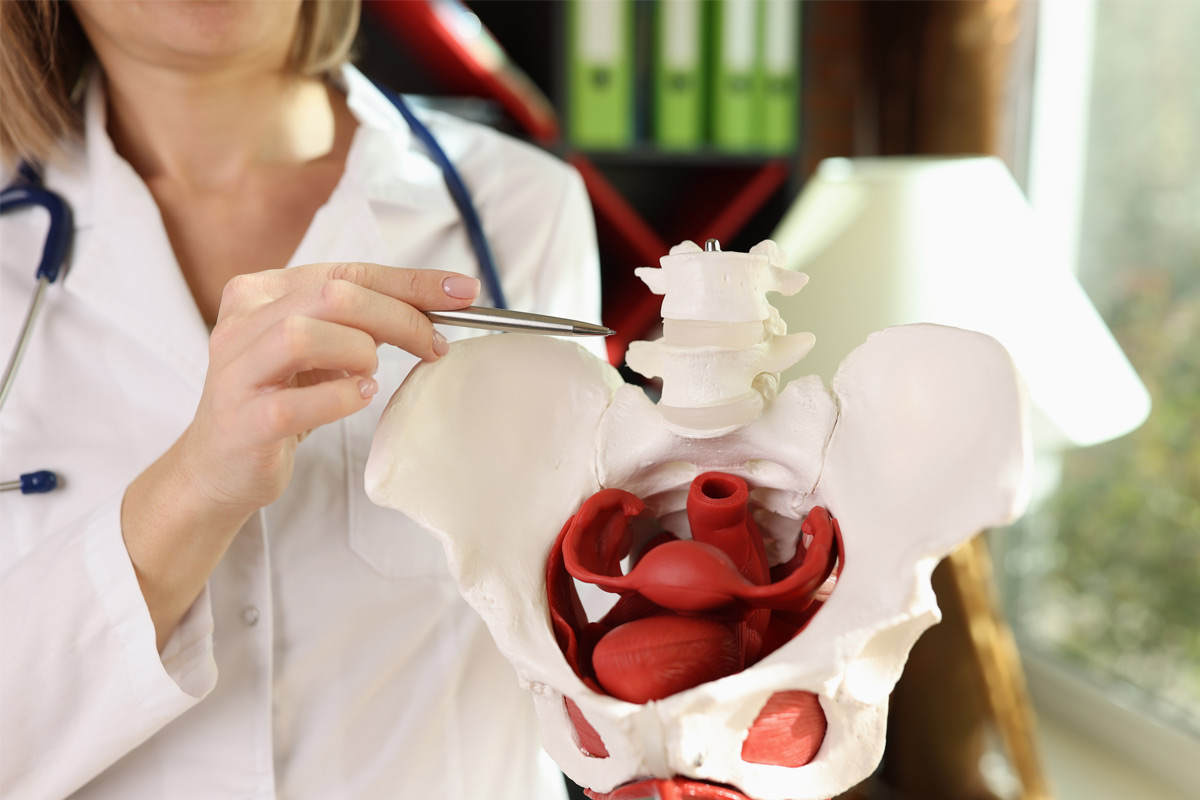
The underlying cause of Pelvic Congestion Syndrome is venous insufficiency. In healthy veins, one-way valves help blood return to the heart. But when these valves weaken or fail—especially under the strain of pregnancy or hormonal changes—blood can pool in the pelvic veins, causing them to stretch and swell.
Hormones like estrogen, which cause veins to dilate, play a significant role in PCS. This is why the condition is more common in women of reproductive age and often improves after menopause.
Who Is at Risk?
You may be at greater risk for Pelvic Congestion Syndrome if you:
- Have had two or more pregnancies
- Are between the ages of 20 and 45
- Have a family history of varicose veins
- Experience chronic pelvic pain that worsens throughout the day
- Have visible varicose veins in the thighs, vulva, or buttocks
Because PCS isn’t widely recognized by non-vascular providers, many women are misdiagnosed or told the pain is “in their head.” But at VIC, we take your pain seriously—and investigate every possible cause.
How VIC Diagnoses PCS
Accurate diagnosis is the first step toward relief. At the Vascular Institute of Chattanooga, our team uses non-invasive and minimally invasive imaging to evaluate pelvic vein health.
Diagnosis may include:
- Pelvic ultrasound (transabdominal)
- MRI or CT venography to visualize pelvic varices
- Catheter-based venography, the gold standard for diagnosing PCS, in which a small catheter is used to inject contrast dye and map pelvic blood flow in real time
These tests help us determine whether varicose veins are causing the pain—and guide us to the most effective treatment options.
How Is Pelvic Congestion Syndrome Treated?

The good news is that PCS is highly treatable—without major surgery. At VIC, we specialize in minimally invasive procedures that target the source of the pain and restore normal blood flow.
The most common treatment is:
Ovarian and Pelvic Vein Embolization
This outpatient procedure involves threading a catheter into the affected veins and placing tiny coils or medical-grade agents to block the problematic veins. Blood is then rerouted through healthier veins, relieving pressure and reducing pain.
✅ No general anesthesia
✅ Performed in our outpatient vascular suite
✅ Minimal recovery time—typically back to normal activity in a few days
✅ Long-lasting relief for the majority of patients
Most women report significant improvement in symptoms within weeks.
Why Women’s Vascular Health Matters
Pelvic Congestion Syndrome is a reminder that vascular issues don’t just affect the heart or legs—they can cause gynecologic-like symptoms too. Unfortunately, women’s vascular health is often underrepresented in traditional care models. That’s why VIC is proud to offer a dedicated women’s vascular program, addressing the unique vascular concerns that affect women throughout life.
From PCS and May-Thurner Syndrome to venous insufficiency and chronic leg swelling, we’re here to listen, evaluate, and provide real solutions.
When to Seek Help
If you’ve been living with unexplained pelvic pain—and especially if it worsens with standing or during your period—it’s time to consider a vascular evaluation.
Don’t spend another day being told it’s all in your head. The team at VIC is here to help uncover the root cause and offer minimally invasive treatment to restore your comfort.
📍 Schedule a Pelvic Vein Evaluation Today
📞 Call us for a same-day or next-day appointment
🌐 Visit www.vascularinstituteofchattanooga.com to learn more about our Women’s Vascular Health Program