

Diabetes, Kidney Disease and PAD: Foot-Wound Warning Signs That Can Save a Limb

For patients with diabetes or chronic kidney disease, a small foot problem can become a serious limb threat with surprising speed. A blister from a new shoe, a cracked heel, an ingrown toenail or a callus may initially look minor. But when sensation is reduced and blood flow is poor, the patient may not feel […]
Before Major Amputation: Why a Vascular Second Opinion and Complete Limb-Salvage Evaluation Matter
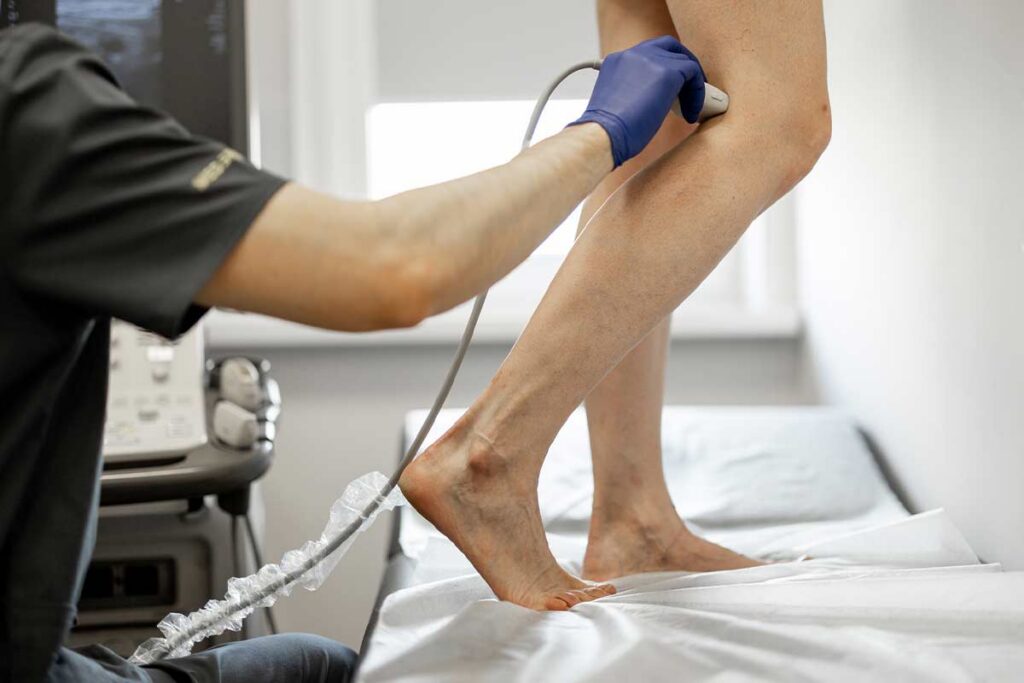
A recommendation for major amputation can be overwhelming. For some patients, amputation is the safest and most appropriate treatment—particularly when infection is life-threatening, tissue is no longer viable, the limb cannot be reconstructed or the patient’s overall health makes another procedure unreasonable. Respecting that reality is part of honest vascular care. At the same time, […]
When PAD Becomes Critical: Understanding CLI, Rest Pain and Non-Healing Wounds

Peripheral Artery Disease exists on a spectrum. Some patients have no obvious symptoms. Others develop leg pain while walking. At the most advanced end of the spectrum is chronic limb-threatening ischemia, or CLTI—the modern term for what many patients and clinicians still call critical limb ischemia, or CLI. CLTI occurs when PAD reduces blood flow […]
Peripheral Artery Disease: 10 Warning Signs You Should Never Ignore

September is Peripheral Artery Disease Awareness Month, but the symptoms of PAD deserve attention every month of the year. Peripheral Artery Disease develops when plaque narrows or blocks the arteries carrying blood to the legs and feet. PAD can limit walking, delay wound healing and, when it becomes advanced, threaten the survival of a […]
Understanding Venous Compression Syndromes: Hidden Causes of Chronic Leg Swelling, Pelvic Pain, and Venous Disease

When Leg Swelling or Pelvic Pain Has No Clear Answer Many patients live for months—or even years—with unexplained leg swelling, pelvic pain, heaviness, fatigue, or recurrent varicose veins before learning that the true problem is a venous compression syndrome. These conditions occur when a vein is compressed by a nearby artery, bone, or other structure, […]
Sclerotherapy: The Gold Standard Treatment for Spider Veins and Small Varicose Veins
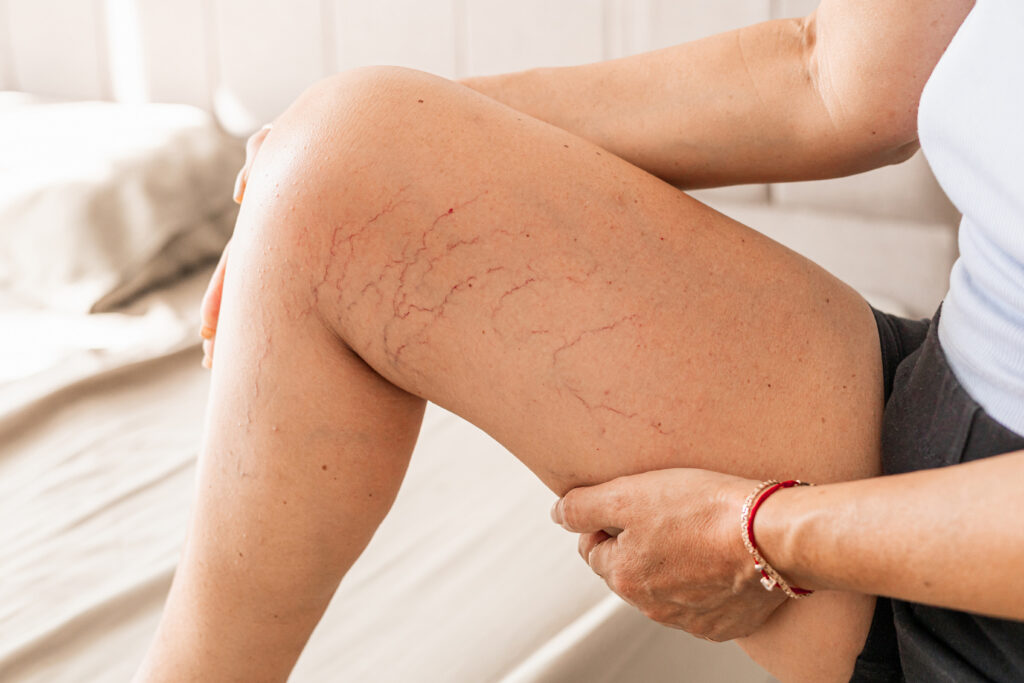
More Than a Cosmetic Concern Spider veins and small varicose veins affect millions of Americans and are often dismissed as a cosmetic nuisance. However, visible veins may be one of the earliest signs of chronic venous insufficiency—a condition in which the veins struggle to return blood efficiently to the heart. Left untreated, venous disease can […]
Peripheral Arterial Disease (PAD): The Warning Signs of Poor Circulation You Should Never Ignore

What Is Peripheral Arterial Disease? Peripheral Arterial Disease (PAD) is a common circulatory condition that develops when plaque builds up inside the arteries supplying blood to the legs and feet. As these arteries narrow, less oxygen-rich blood reaches the muscles and skin, leading to pain, slower wound healing, and in advanced cases, limb-threatening ischemia. PAD […]
Dialysis Access Explained: Why an AV Fistula Is the Preferred Long-Term Option
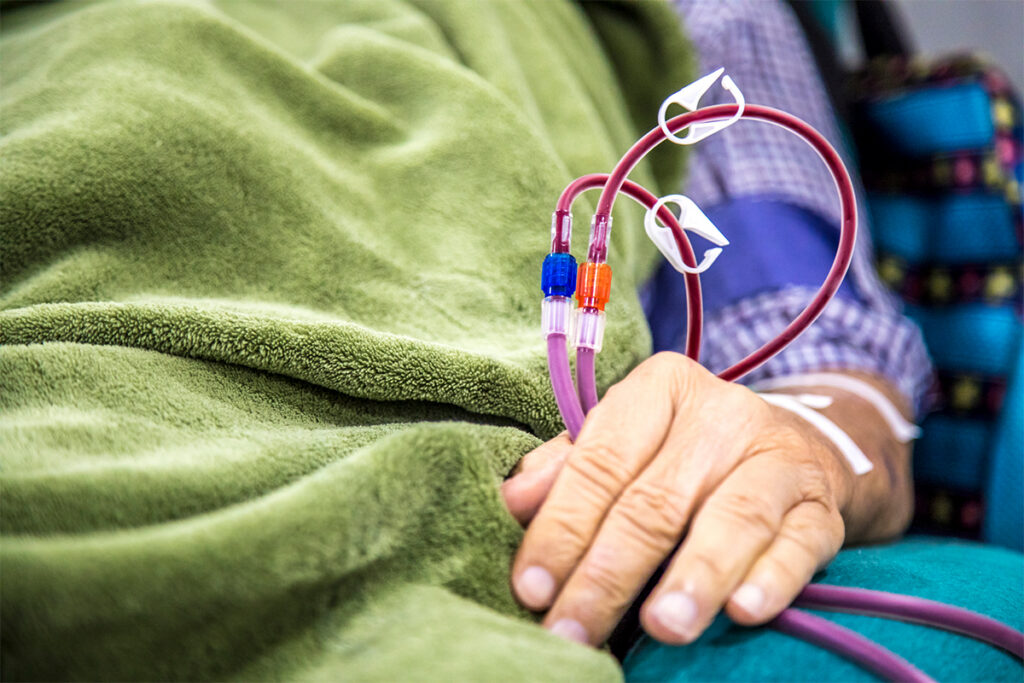
Preparing for Dialysis Starts Before Your First Treatment For patients living with advanced chronic kidney disease (CKD), preparing for dialysis before it becomes an emergency is one of the most important decisions they can make. A well-functioning dialysis access helps ensure effective treatment, reduces complications, and improves quality of life. An arteriovenous (AV) fistula is […]
Dialysis Access Problems Explained – When to Seek Vascular Care
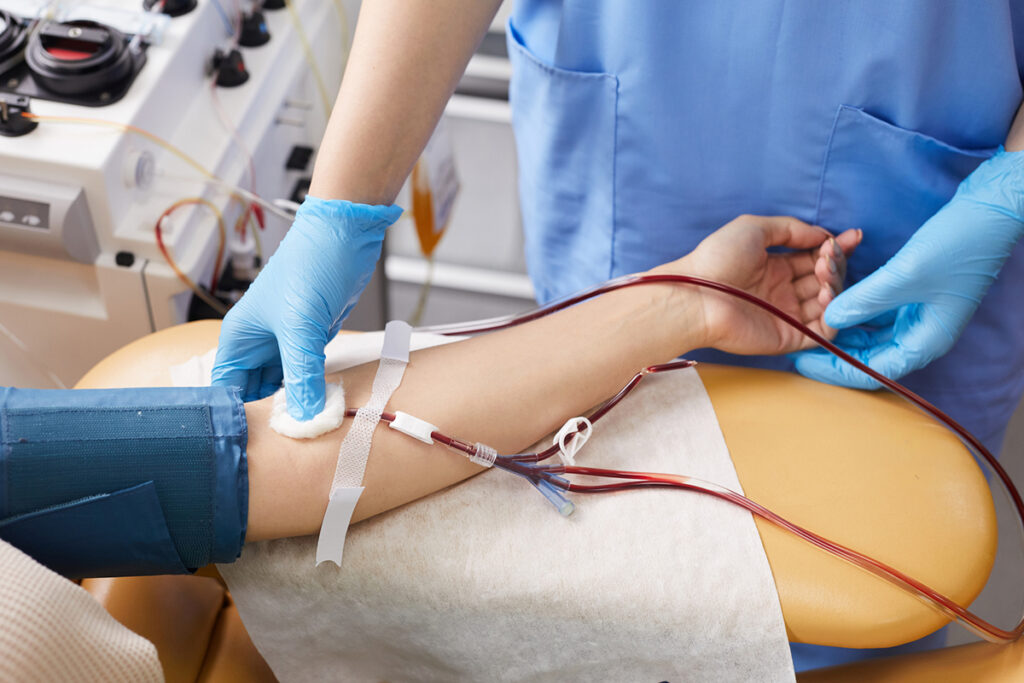
For patients with kidney failure, dialysis access is truly a lifeline. Whether it’s a fistula or graft, this access point allows life-sustaining dialysis treatments to occur several times each week. But over time, dialysis access can develop problems that threaten its function — and when access fails, treatments are missed, emergencies occur, and hospitalizations follow. […]
How Early PAD Treatment Can Prevent Wounds, Amputation, and Disability

Early treatment of Peripheral Artery Disease can dramatically change outcomes. When circulation is restored early, wounds heal faster, pain improves, and mobility is preserved. PAD restricts oxygen delivery to tissues. Over time, this leads to ulcers, infections, and tissue death. Early intervention can stop this progression. Treatment options include lifestyle changes, medication, and minimally invasive […]