
 |
Women’s health conversations often focus on heart disease, hormones, or bone strength — but there’s another system that deserves just as much attention: the vascular system. As women age, their risk for vascular disease rises significantly, yet many of these conditions go unrecognized or are misdiagnosed for years.
The Hidden Side of Women’s Circulation
While vascular disease affects both men and women, its symptoms in women often appear differently — and more subtly. Many women don’t experience the classic signs of blocked arteries, such as sharp leg pain or chest discomfort. Instead, they may feel generalized fatigue, swelling, or a dull ache that comes and goes. These vague symptoms can easily be mistaken for menopause-related changes, back issues, or simple overexertion.
However, ignoring these signs can have serious consequences. Vascular disease can affect not only the heart and legs but also the pelvic region — an area uniquely impacted by a woman’s anatomy and hormonal shifts.

Unique Conditions That Impact Women
One of the most underdiagnosed vascular disorders in women is May-Thurner Syndrome, a condition in which the left iliac vein is compressed by the right iliac artery. This narrowing restricts blood return from the left leg, often causing swelling, pain, or varicose veins that worsen over time. Left untreated, May-Thurner can increase the risk of deep vein thrombosis (DVT) — a dangerous blood clot that can travel to the lungs.
Another commonly overlooked condition is Pelvic Congestion Syndrome (PCS). This occurs when veins in the pelvis become enlarged and blood pools in the lower abdomen, leading to chronic pelvic pain, heaviness, or discomfort during or after intercourse. PCS is often misdiagnosed as a gynecological or gastrointestinal issue, delaying proper treatment.
Women are also at higher risk for chronic venous insufficiency, which causes leg heaviness, swelling, and skin discoloration due to poor vein valve function. Varicose veins, spider veins, and ankle swelling may seem cosmetic but are often early signs of a deeper circulatory problem.
The Role of Hormones and Lifestyle
Hormonal changes after menopause can weaken vein walls and slow circulation. Coupled with pregnancy history, genetics, and sedentary lifestyle factors, these changes make vascular health a growing concern for women over 50.
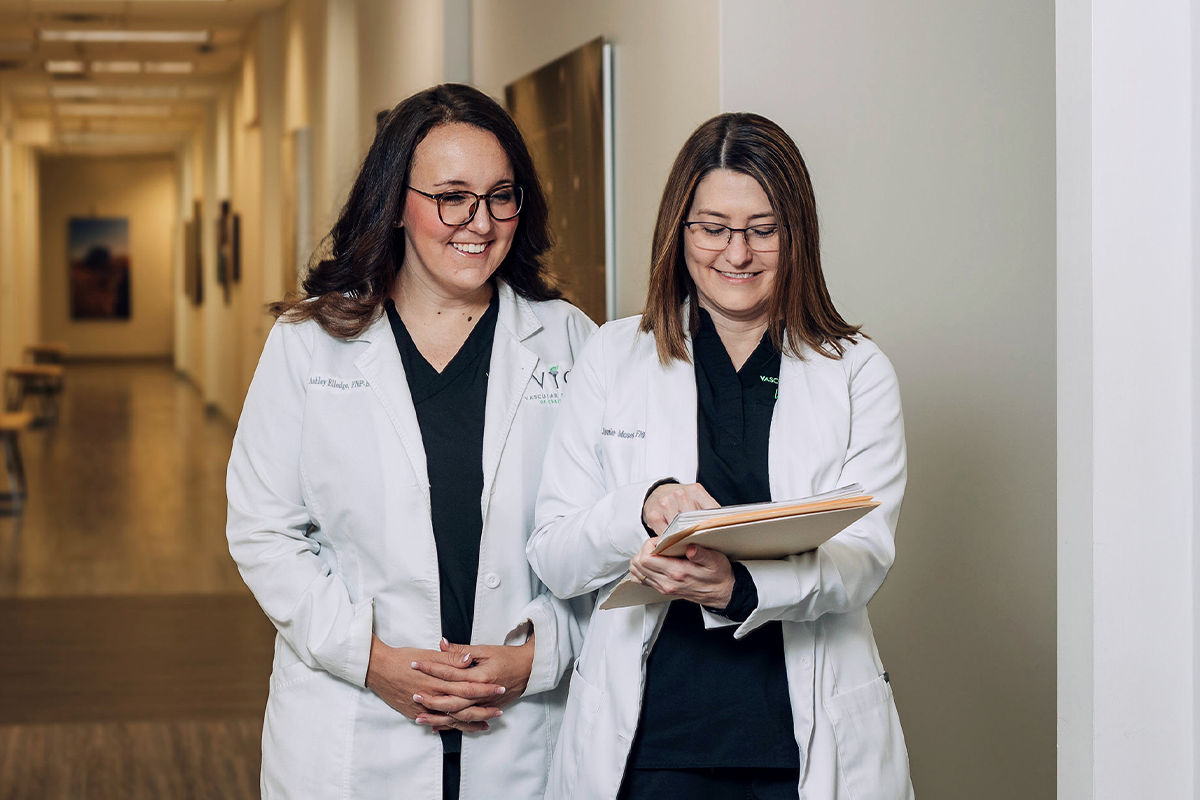
Fortunately, awareness and proactive care can dramatically improve outcomes. The team at the Vascular Institute of Chattanooga specializes in identifying and treating these often-overlooked vascular conditions in women — using advanced imaging, ultrasound diagnostics, and minimally invasive outpatient treatments that restore normal blood flow and relieve chronic discomfort.
Modern Treatments, Better Outcomes
Treatment today is far from the invasive procedures of the past. At VIC, therapies like venous stenting, embolization, and closure systems such as VenaSeal® or Varithena® can correct problematic veins with minimal downtime. These treatments not only improve circulation but also reduce swelling, pain, and visible veins — enhancing both health and confidence.
Equally important is education. Many women assume that varicose veins or pelvic pain are “just part of getting older.” In reality, these are symptoms that deserve medical evaluation — and can often be resolved with a customized vascular care plan.

Empowering Women to Age Well
Aging gracefully isn’t about ignoring change — it’s about understanding it. Women who prioritize their vascular health enjoy more energy, mobility, and confidence in every decade of life.
Here are a few key takeaways for women over 50:
– Persistent leg pain, heaviness, or swelling is not normal aging.
– Pelvic pain that worsens after standing or at day’s end may be vascular, not hormonal.
– Varicose veins are often the body’s way of signaling deeper venous issues.
– Early diagnosis leads to simpler, more effective treatments.
The Vascular Institute of Chattanooga proudly leads the region in advancing women’s vascular care. Through compassion, innovation, and education, VIC’s team helps women rediscover comfort, mobility, and self-assurance at every stage of life.
Because aging well isn’t just about adding years — it’s about adding vitality, freedom, and flow.
To schedule a vascular consultation or screen, click here or call 423-602-2750.