
 |
Chronic knee pain is one of the most common reasons adults seek medical care, and for many individuals, the underlying cause is knee osteoarthritis. As cartilage gradually wears down, inflammation increases inside the joint. This inflammation contributes to pain, swelling, stiffness, and difficulty performing everyday activities such as walking, climbing stairs, exercising, or even sleeping comfortably.
Traditionally, treatment options for knee osteoarthritis have fallen into two broad categories: conservative therapy or surgical intervention. Conservative approaches include physical therapy, anti-inflammatory medications, steroid injections, hyaluronic acid injections, and bracing. While these treatments may provide temporary relief, many patients eventually reach a point where they are no longer effective. On the other end of the spectrum is total knee replacement surgery — an effective but invasive procedure that requires hospitalization, significant recovery time, and rehabilitation.
For patients caught between these options, Genicular Artery Embolization (GAE) offers a promising minimally invasive alternative.
Understanding the Role of Inflammation in Knee Osteoarthritis
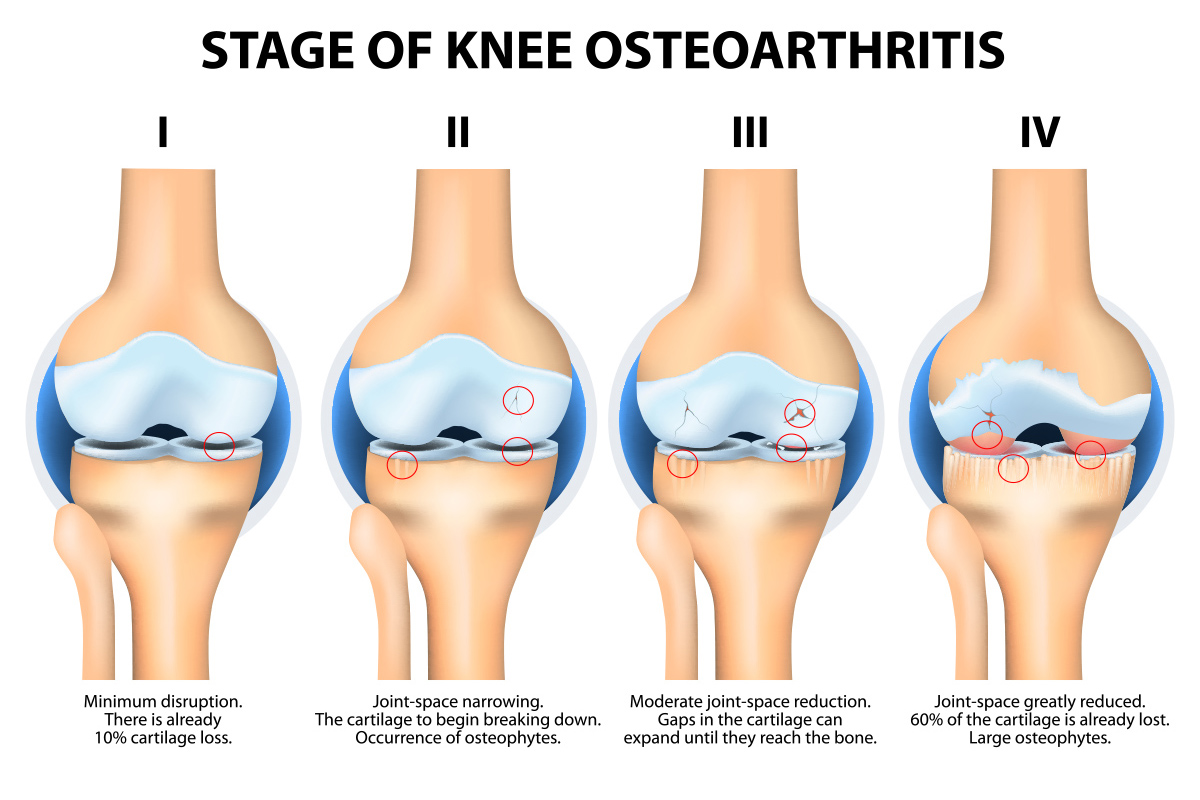
Osteoarthritis is often described as “wear and tear” of the joint, but research shows that inflammation plays a major role in driving chronic pain. As arthritis progresses, the body forms abnormal new blood vessels around the knee joint. These vessels contribute to synovial inflammation and release inflammatory chemicals that worsen pain and swelling.
This inflammatory cycle can persist even when structural damage is moderate. GAE is designed to interrupt that cycle.
What Is Genicular Artery Embolization?
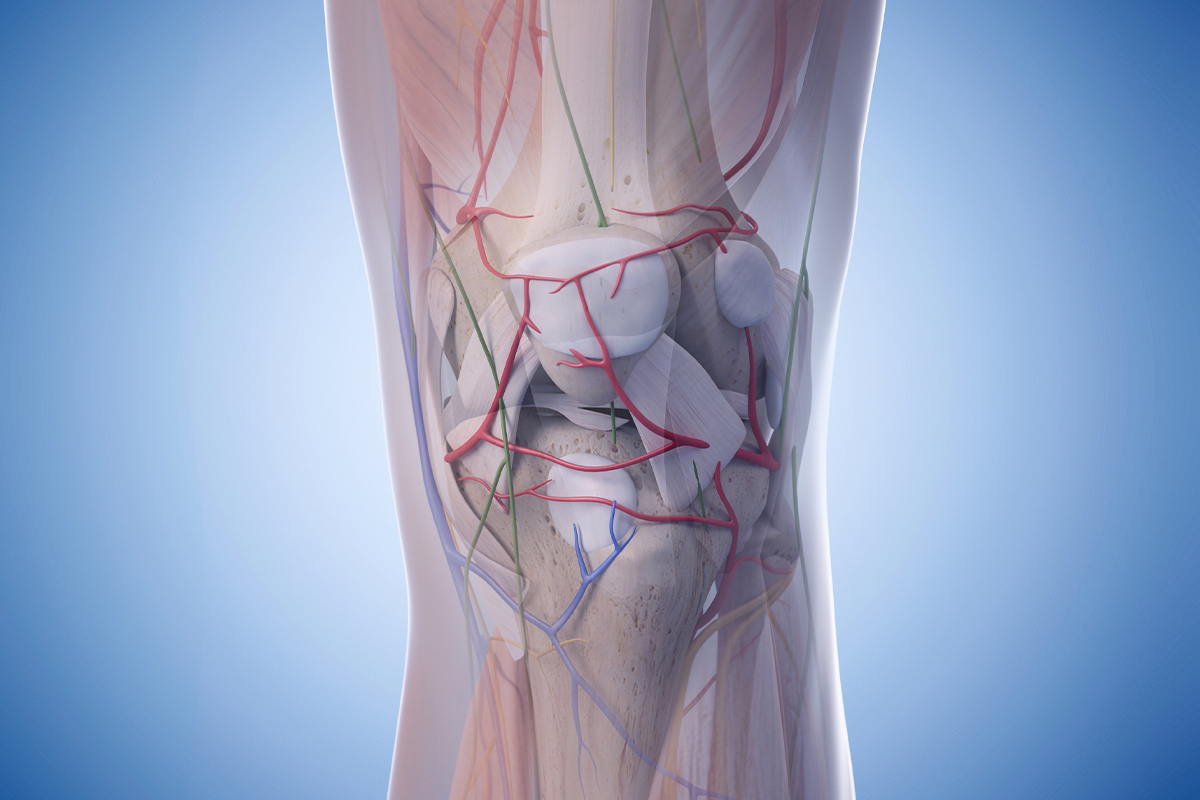
Genicular Artery Embolization is a minimally invasive, image-guided procedure that reduces abnormal blood flow contributing to knee inflammation. During the procedure, a vascular specialist uses advanced imaging to identify the specific genicular arteries responsible for hypervascularity (excess blood flow) and inflammatory signaling.
Tiny particles are delivered through a microcatheter to selectively block those abnormal vessels while preserving normal circulation. By reducing inflammation at its source, many patients experience meaningful pain relief and improved mobility.
What to Expect During the Procedure
GAE is performed on an outpatient basis and typically takes one to two hours. A small catheter is inserted through the wrist or groin and guided to the arteries supplying the knee. Selective angiography is used to identify abnormal inflammatory vessels, which are then embolized.
There are no large incisions, no implants, and no joint replacement involved. Most patients return home the same day.
Recovery and Results

Recovery is typically quick. Patients often resume light activity within one to two days. Mild soreness or swelling can occur but usually resolves quickly.
Pain improvement may begin within several weeks, with continued progress over six to twelve weeks as inflammation subsides. Many patients report improved walking tolerance, decreased reliance on pain medication, and enhanced quality of life.
Who Is a Candidate for GAE?
You may be a candidate if you have chronic knee pain due to osteoarthritis and have not achieved sufficient relief from conservative therapies. GAE may be particularly helpful for individuals who wish to delay or avoid knee replacement surgery or who are not ideal surgical candidates.
It is important to note that GAE does not replace knee replacement surgery in cases of severe joint collapse, but it can provide an important bridge or alternative in appropriately selected patients.
The Importance of Vascular Expertise
Because GAE requires detailed knowledge of vascular anatomy and precision embolization techniques, it should be performed by specialists experienced in advanced endovascular procedures. Careful patient selection and selective embolization are essential to achieving optimal results.
For individuals living with chronic knee pain, Genicular Artery Embolization may offer a safe, minimally invasive path toward improved comfort and mobility without the risks and recovery associated with surgery.