

 |
It’s easy to assume that slower movement, occasional forgetfulness, or fatigue are simply part of the aging process. But beneath these subtle changes, your circulatory system may be sending early warning signs of something more serious — vascular disease.
As the body ages, arteries naturally stiffen and lose flexibility. Over time, fatty deposits known as plaque can build up along the arterial walls, narrowing the pathways that deliver oxygen-rich blood to vital organs and tissues. This process, called atherosclerosis, can quietly affect everything from brain function and energy levels to leg strength and balance. Because it develops gradually, many people don’t recognize its impact until advanced symptoms appear — and by then, complications such as stroke, heart attack, or limb loss may already be underway.

When Blood Flow Slows, So Does the Body
Healthy circulation is at the heart of aging well. Every organ in your body depends on consistent blood flow to function properly — and when that flow becomes restricted, the results can be widespread.
Reduced circulation to the brain can lead to cognitive decline, dizziness, or even vascular dementia. In fact, research shows that poor vascular health is a leading — and preventable — cause of memory loss in older adults. Similarly, when blood flow to the legs is limited, walking, climbing stairs, or simply standing for long periods can become painful. These are often symptoms of Peripheral Artery Disease (PAD), a condition that affects more than 8 million Americans and increases with age.
Unfortunately, PAD and other vascular diseases are often dismissed as “normal aging.” Patients may attribute leg pain or numbness to arthritis or inactivity, not realizing these could be signs of compromised circulation. Left untreated, PAD can progress to non-healing wounds or critical limb ischemia, a severe stage of disease that can lead to amputation.

The Vascular-Brain Connection
The brain is especially sensitive to changes in blood flow. When arteries supplying the brain — particularly the carotid arteries in the neck — become narrowed or blocked, the risk of stroke rises sharply. Strokes remain one of the leading causes of long-term disability and death in older adults, yet up to 80% are preventable through early detection and lifestyle changes.
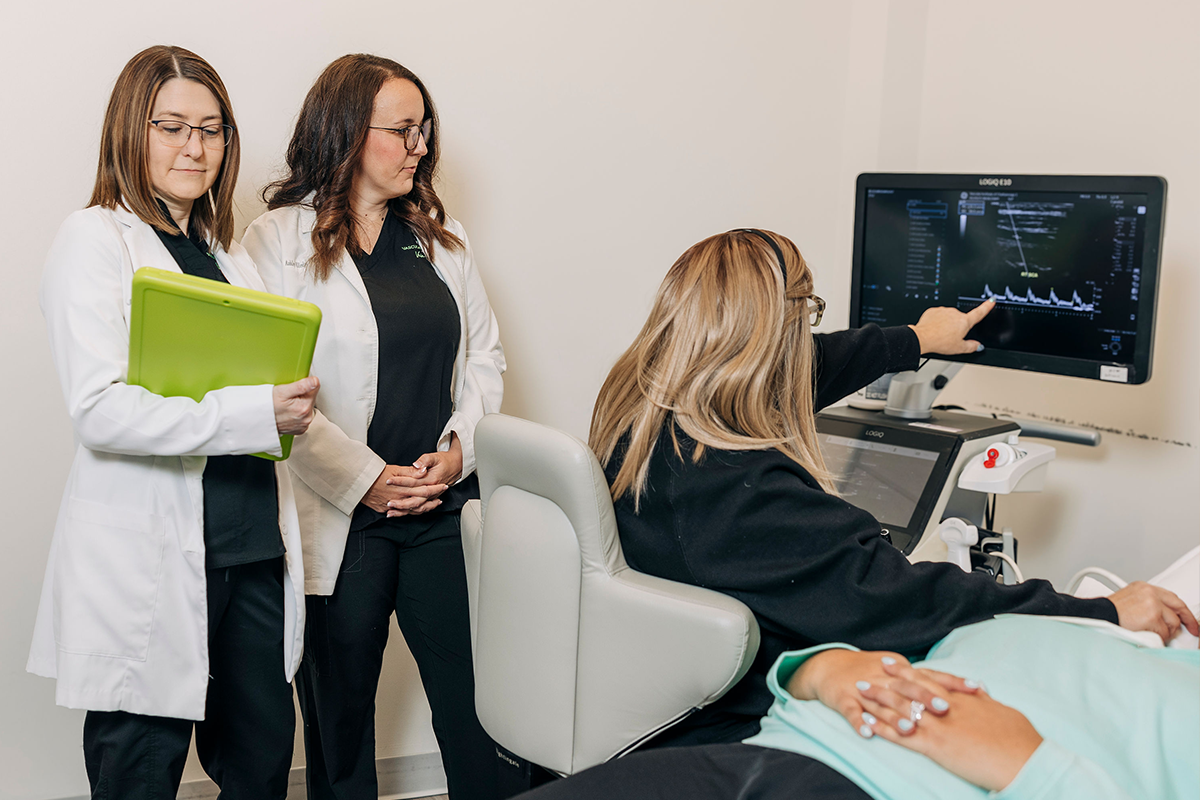
Subtle warning signs of carotid disease can include transient dizziness, difficulty finding words, or brief weakness in the arms or legs — symptoms that should never be ignored. The Vascular Institute of Chattanooga offers noninvasive ultrasound screenings that can detect narrowing or blockages before they cause a stroke, allowing for proactive management through medical therapy, minimally invasive stenting, or surgical correction.
Early Detection = Longer, Healthier Living
The good news is that vascular disease is one of the most preventable and treatable health conditions of aging. With proper lifestyle habits, early screening, and timely intervention, most patients can maintain independence and vitality well into later life.
The Vascular Institute of Chattanooga (VIC) provides a comprehensive approach to circulatory health — from early diagnosis to advanced treatment options. Their $99 ultrasound vascular screening evaluates the carotid arteries, aorta, and leg arteries for early disease, often before symptoms develop. This simple, painless test can provide a clear picture of your vascular health in less than 30 minutes.
If an issue is identified, VIC’s board-certified vascular specialists can provide minimally invasive endovascular treatments in their outpatient centers — helping patients restore blood flow, improve energy, and reduce their risk of stroke or amputation.

Aging Well Starts with Circulation
Healthy circulation supports every aspect of life — from memory and mobility to mood and longevity. The key is to pay attention to your body’s subtle signals and not dismiss them as “just getting older.”
– Cold feet or toes that don’t warm easily
– Leg cramps or heaviness when walking
– Wounds that heal slowly or not at all
– Memory changes or recurring dizziness
These may all point to vascular disease — but with early care, recovery and prevention are within reach.
This winter, give yourself the gift of longevity by scheduling a vascular screening. Because when your circulation is strong, every part of you thrives.
The Vascular Institute of Chattanooga — Keeping Life Flowing for Every Generation.
Visit www.VascularInstituteOfChattanooga.com or call 423-602-2750 to schedule your screening today.