
 |
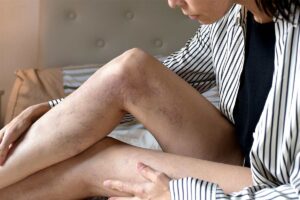
Many people assume that leg pain, cramping, or heaviness is simply part of getting older. But when these symptoms persist or worsen with activity, they may be the body’s way of signaling a circulation problem. Vascular disease — especially Peripheral Artery Disease (PAD) — is one of the most underdiagnosed causes of leg discomfort in adults over 50. The good news? Early detection and treatment can restore blood flow and dramatically improve mobility, comfort, and independence.
When Aging Isn’t the Whole Story
It’s true that muscles and joints can ache more with age, but vascular-related leg pain has a distinct pattern. When arteries that carry blood to your legs become narrowed or blocked, your muscles don’t receive enough oxygen during movement. This results in cramping or tightness — often in the calves — that appears during walking and improves with rest. This symptom, called *claudication*, is a classic sign of PAD.
Unfortunately, many people write it off as arthritis, nerve pain, or just being out of shape. Over time, as blood flow worsens, pain may start even when you’re resting or sleeping, and wounds on the legs may heal more slowly.
The Circulation Connection
Peripheral Artery Disease affects roughly 1 in 5 adults over 65, but it often goes undetected until the condition is advanced. PAD not only impacts your legs — it’s a warning sign of a larger problem. If plaque is building up in your leg arteries, it’s likely doing the same in your heart or brain. That means untreated PAD can double your risk of heart attack or stroke.
At the Vascular Institute of Chattanooga, our specialists use advanced imaging and ultrasound technology to evaluate blood flow and detect PAD before serious complications occur. Learn more about our diagnostic and treatment options (insert link here).
Warning Signs You Shouldn’t Ignore
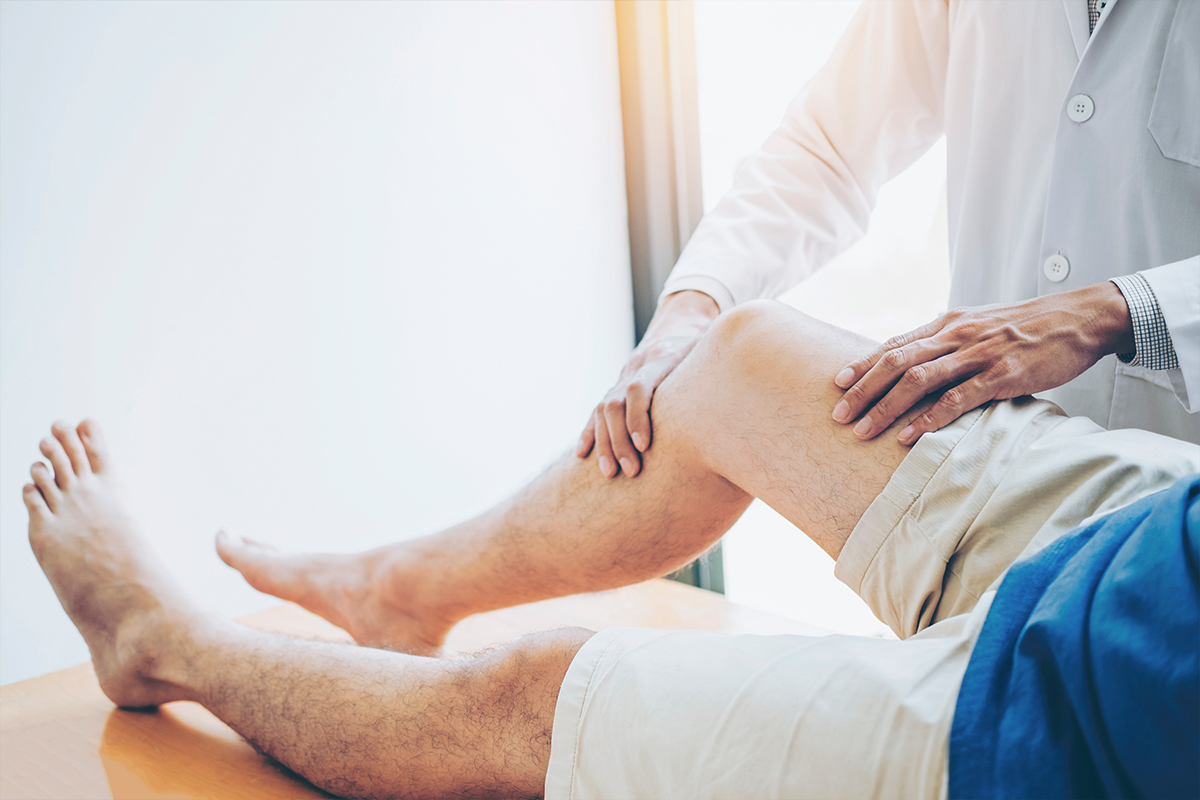
See a vascular specialist if you notice any of these symptoms:
– Leg pain, heaviness, or cramping when walking
– Numbness or coldness in the feet or toes
– Non-healing sores or wounds on your legs or ankles
– Hair loss or shiny skin on your lower legs
– Color changes in your feet or toes
Even if these symptoms seem mild, they could indicate reduced blood flow. The earlier PAD is identified, the more treatment options you have — many of which are minimally invasive and done in an outpatient setting.
Modern Treatments That Keep You Moving
Vascular care has advanced dramatically in the past decade. Procedures that once required hospitalization can now be performed safely and comfortably in-office. Depending on the severity of blockage, treatment may include angioplasty (reopening narrowed arteries), stenting, or atherectomy to remove plaque.
These procedures are quick, often performed under local anesthesia, and patients typically return home the same day. Most experience immediate improvement in leg comfort and walking ability.

Take the First Step Toward Relief
Leg pain shouldn’t hold you back from the activities you love. If walking causes discomfort or fatigue, it’s time to get evaluated by a vascular specialist. Simple, noninvasive tests can determine if circulation problems are to blame — and early treatment can prevent complications like ulcers or amputation.
Don’t let leg pain be dismissed as ‘just aging.’ Your legs are sending you a message — and we’re here to listen. To schedule a vascular evaluation, visit www.VascularInstituteOfChattanooga.com or call 423-602-2750.
Keeping Life Flowing for Every Generation.