

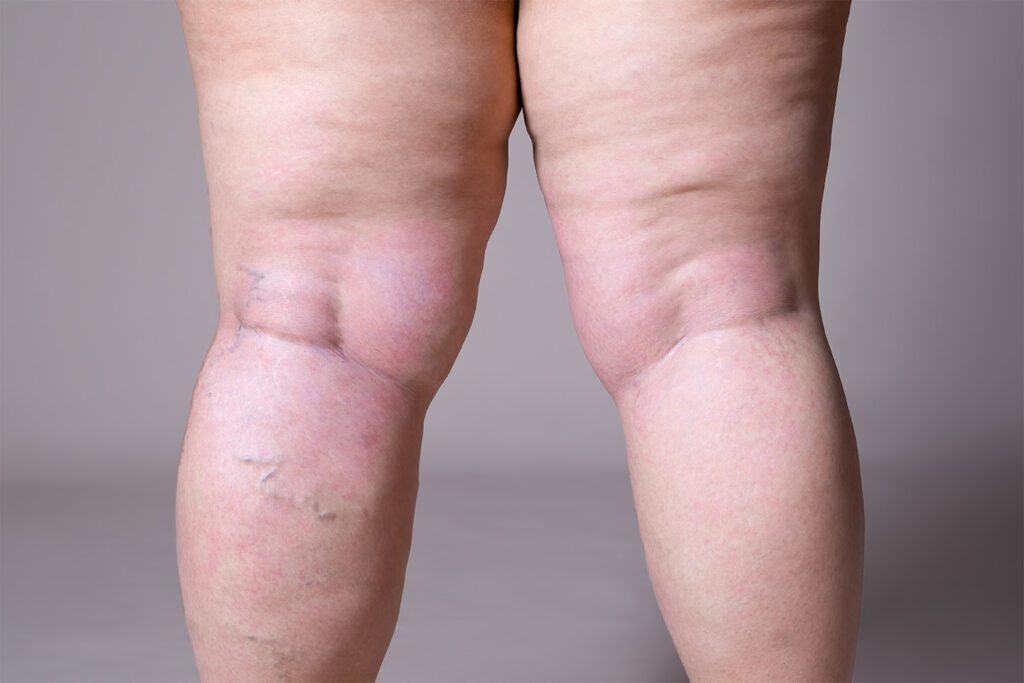
Lymphedema is a condition in which improper fluid drainage from the lymphatic system leads to a build up of lymph fluid and severe swelling in the extremities. This can closely mimic venous obstruction or heart failure.
Once lymphedema begins, it is unlikely that it will go away. However, symptoms and disease progression can be slowed and controlled through medical treatment, lifestyle changes, and management at home. Painless swelling of the affected extremity often requires compression sleeves or manual medical massage to control the edema.
Compression stockings offer a cost-effective and efficient method to enhance blood circulation in the lower extremities. With daily use, compression stockings can alleviate symptoms, enhance blood flow, and reduce the likelihood of blood clots forming. These stockings are suitable for both short-term and long-term use, as well as post-surgery recovery.
Pneumatic compression devices use inflatable sleeves or wraps for the limbs and a connected pump to inflate and deflate them in cycles. Essentially acting like a massage, the device stimulates healthy movement of blood in your body to help prevent blood clots from forming.
If you experience new or worsening swelling in the legs, arms, or other areas, see a doctor promptly. Early diagnosis of lymphedema is key to preventing complications. Don’t ignore lymphedema symptoms—getting care early helps you manage edema more effectively and avoid long-term damage.
Lymphedema can develop gradually or appear more suddenly depending on the cause. Some people notice mild swelling at first that, if untreated, worsens over time, while others experience rapid onset after surgery or injury. Paying attention to lymphedema symptoms early is important for effective treatment.
Common lymphedema symptoms include swollen legs or arms, tightness, heaviness, limited range of motion, and recurring infections. Skin may feel firm or thickened. If you notice these signs, talk with your provider about a lymphedema diagnosis and personalized care options.
Lymphedema most commonly affects the arms and legs, but it can also occur in the chest wall, abdomen, neck and genitals. Regardless of location, untreated swelling can lead to discomfort and long-term complications. Diagnosis and care are essential for managing edema.
The Vascular Institute of Chattanooga is joining the first annual Women’s Wellness + Self-Care Social on April 30th from 4PM to 7PM at Alchemy MedSpa + Wellness Center, 200 Manufacturers Road, Suite 105.
Wondering if leg pain, swelling, or visible veins could be a sign of venous disease? Our vascular specialists will be onsite offering complimentary, quick, non-invasive varicose vein screenings to help you better understand your vein health.
Grab your girlfriends and enjoy a night of wellness, beauty, and self-care with mini experiences, expert guidance, and exclusive event-only specials. RSVP by April 23rd to reserve your goody bag.
Call now to book an appointment.
Conveniently located near Northgate Mall.