

 |
Every year, nearly 800,000 Americans suffer a stroke. What many people don’t realize is that a significant number of these strokes are caused by a condition that often has no warning signs at all: carotid artery disease.
The carotid arteries are the two major blood vessels located on each side of your neck. Their job is critical — they deliver oxygen-rich blood from the heart to the brain. When plaque made up of cholesterol, calcium, and inflammatory material begins to build up inside these arteries, it can quietly restrict blood flow and suddenly break loose traveling to the brain, causing a stroke.
This is why carotid artery disease is often called the silent cause of stroke.
Why Carotid Disease Is So Dangerous?

Unlike many medical conditions, carotid disease does not usually cause pain. There are often no symptoms until a transient ischemic attack (TIA) — sometimes called a “mini-stroke” — or a full stroke occurs.
A stroke can lead to:
● Permanent disability
● Loss of speech or mobility
● Cognitive impairment
● Loss of independence
● Death
The frightening part is that many patients who suffer a stroke never knew they had carotid disease.
Who Is at Risk?

Carotid disease shares risk factors with other vascular conditions, including Peripheral Artery Disease (PAD) and heart disease.
You are at higher risk if you:
● Are over age 50
● Have high blood pressure
● Have diabetes
● Smoke or have a history of smoking
● Have high cholesterol
● Have a family history of vascular disease
● Have known PAD or coronary artery disease
If you fall into these categories, screening can be lifesaving.
The Importance of Early Screening
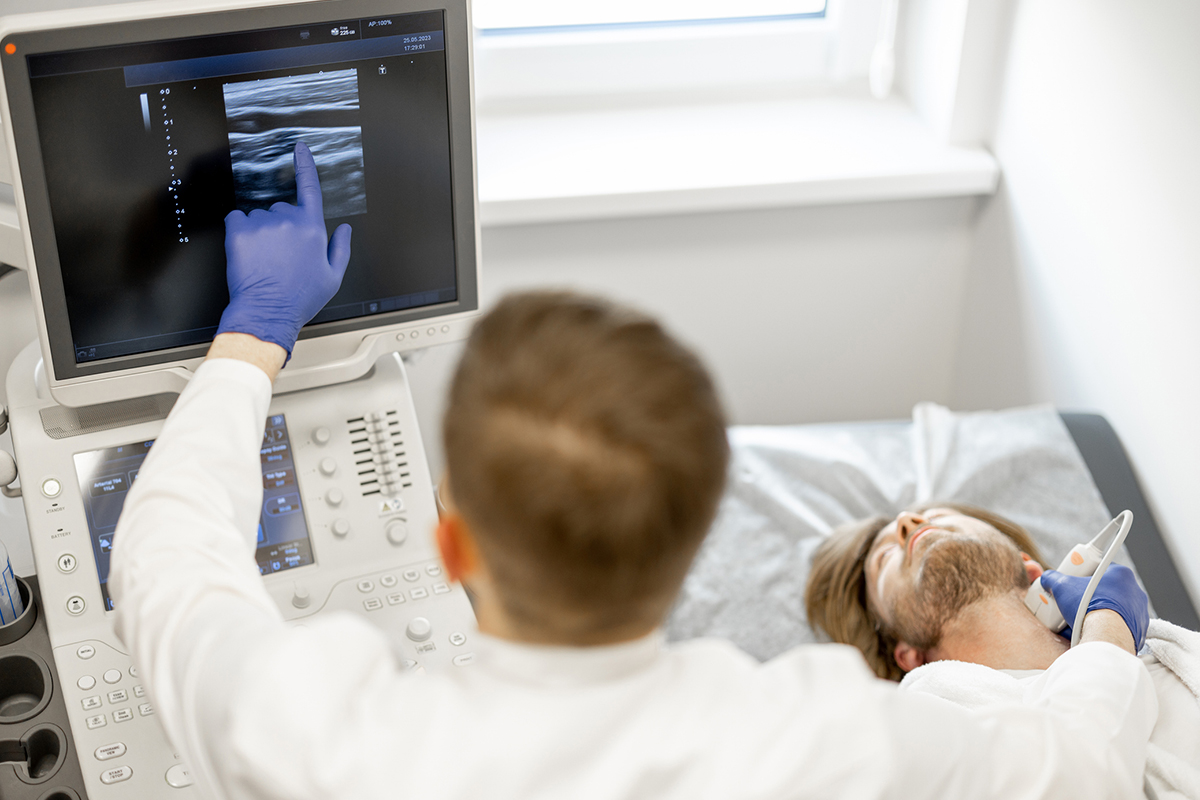
The good news is that carotid artery disease is easily detected with a simple, painless carotid ultrasound. This non-invasive test allows vascular specialists to see plaque buildup and measure how much narrowing is present.
Catching carotid disease early gives patients the opportunity to treat the condition before a stroke occurs.
Treatment Options That Prevent Stroke. Treatment depends on the severity of narrowing and the patient’s overall health. Options may include:
● Medication to control cholesterol and blood pressure
● Lifestyle changes to reduce plaque progression
● Close surveillance with repeat imaging
● Minimally invasive vascular procedures to restore blood flow
● Stop smoking
At the Vascular Institute of Chattanooga, stroke prevention is a major focus. Our team uses advanced imaging and modern vascular interventions to significantly reduce stroke risk for patients with carotid disease.
Frequently Asked Questions

Are symptoms always present?
No. Most patients have no symptoms until a stroke or TIA occurs.
Can carotid disease be treated?
Yes. When detected early, treatment is very effective at preventing stroke.
Who should be screened?
Adults over 50 with risk factors, especially those with PAD, diabetes, or a smoking history.
Don’t Wait for Symptoms
When it comes to carotid artery disease, waiting for symptoms can be devastating. Screening is simple, fast, and potentially lifesaving.
Call 423.602.2750 or visit www.vascularinstituteofchattanooga.com to schedule a carotid evaluation. Self-referrals are welcome, and appointments are available within one week at six convenient locations.