
 |
As we age, one of the most important — yet often overlooked — systems in the body is our circulatory system. Healthy circulation keeps every organ, muscle, and cell supplied with oxygen-rich blood. When blood flow slows, so does everything else — including energy, strength, and independence. The key to aging well isn’t just about staying active or eating right; it’s about keeping your arteries and veins healthy so your legs, heart, and brain can function at their best.
The Foundation of Healthy Aging: Strong Circulation
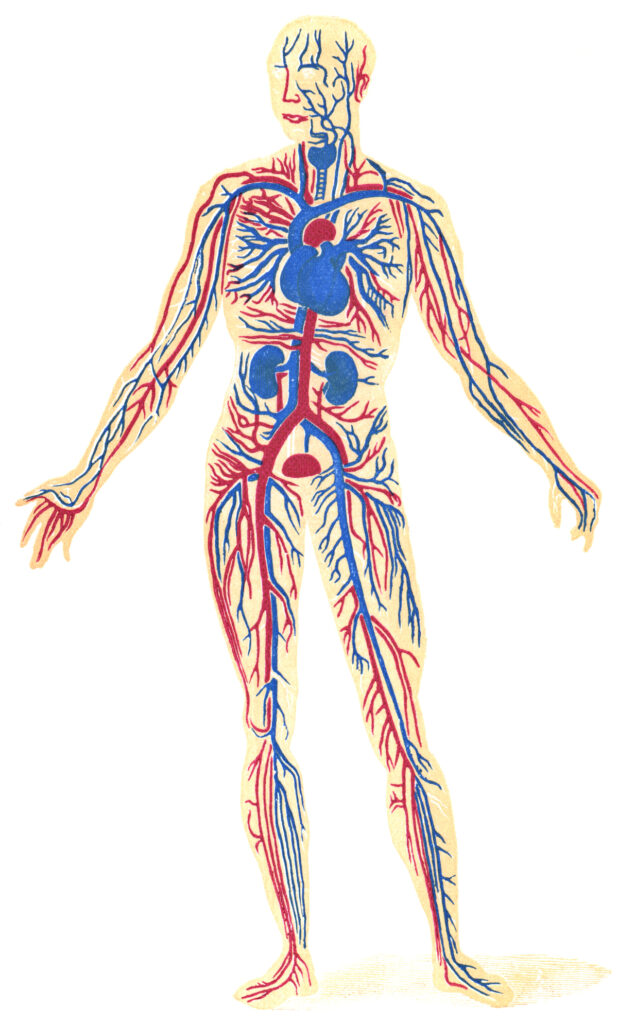
Your vascular system is like an internal highway that delivers life to every part of your body. When those pathways are clear, nutrients flow freely and tissues stay healthy. But over time, cholesterol and calcium can build up in the arteries, narrowing blood flow in a process known as atherosclerosis. This is especially common in the legs — a condition called Peripheral Artery Disease (PAD).
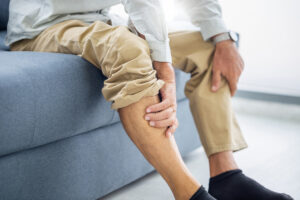
PAD affects more than 8 million Americans and is one of the most underdiagnosed causes of mobility loss in older adults. Patients often notice leg fatigue, cramping, or pain when walking — symptoms that can easily be mistaken for arthritis or ‘just getting older.’ However, these are red flags that the muscles in your legs aren’t getting enough oxygen.
When Circulation Slows, Independence Follows
One of the biggest indicators of longevity isn’t genetics — it’s mobility. The ability to walk freely, climb stairs, or stay active depends on strong circulation. When blood flow to the legs becomes restricted, walking distance decreases and balance suffers. This not only increases fall risk but also reduces confidence, leading many older adults to move less. That inactivity then worsens circulation further — a vicious cycle that can lead to loss of independence.
At the Vascular Institute of Chattanooga, we see patients every day who believed their leg pain or heaviness was just a part of aging. Once proper blood flow is restored through minimally invasive endovascular procedures, they regain mobility, strength, and freedom of movement they thought were gone for good.
The Warning Signs to Never Ignore
While vascular disease can develop silently, your body often sends subtle signals that something is wrong. If you notice these symptoms, it’s time to see a vascular specialist:
– Leg pain, cramping, or heaviness when walking
– Cold or numb feet and toes
– Slow-healing wounds or ulcers on the legs or ankles
– Skin color changes or thinning on the legs
These are not normal signs of aging — they are symptoms of poor circulation that can often be corrected. Learn more about Peripheral Artery Disease (PAD) screenings.
Simple Steps to Keep Your Blood Flowing
There are practical ways to protect your circulation at any age:
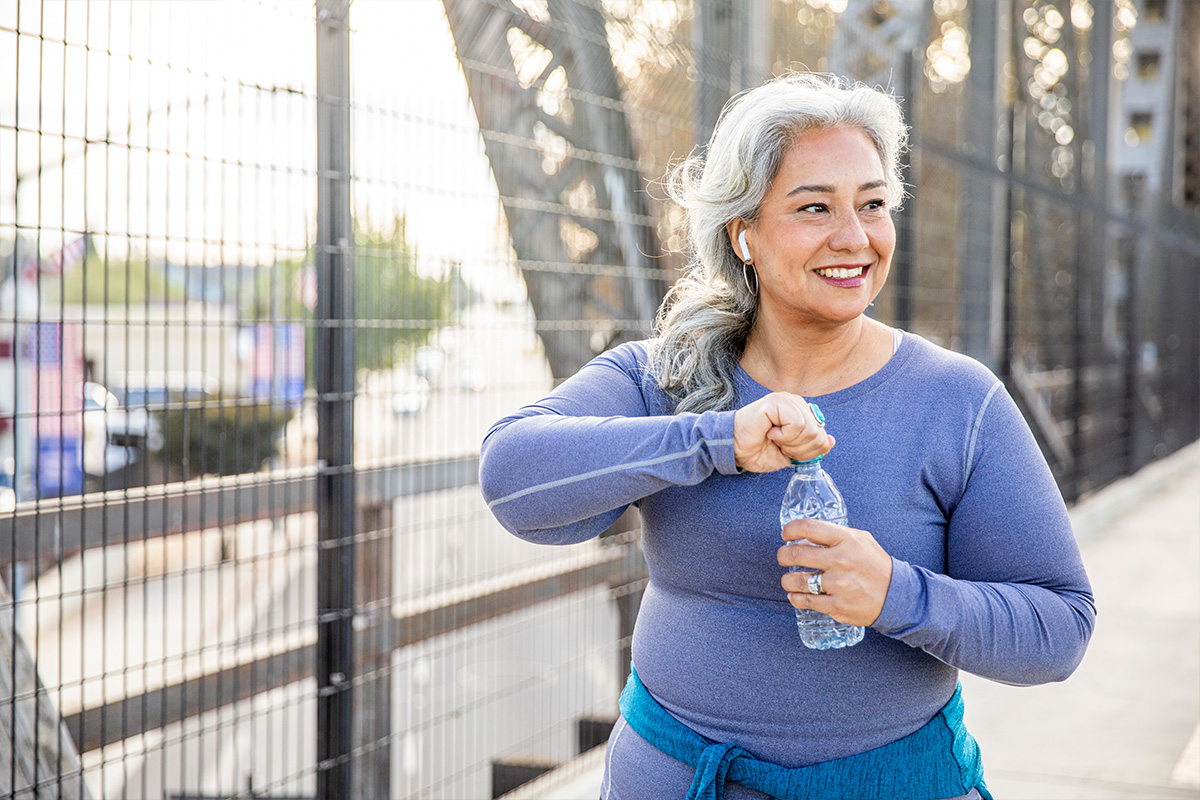
– Walk regularly — even short daily walks improve blood flow.
– Maintain a heart-healthy diet rich in fruits, vegetables, and lean protein.
– Avoid smoking, which directly damages the lining of your arteries.
– Stay hydrated, especially in cooler months when dehydration can thicken your blood.
– Schedule regular vascular screenings to detect disease early.
The Vascular Institute of Chattanooga offers a simple, noninvasive $99 ultrasound screening that evaluates the arteries in your legs, neck, and abdomen. It’s a fast, painless way to detect early signs of disease before symptoms become serious.
The Bottom Line
Healthy circulation is the foundation of healthy aging. When your legs receive the blood flow they need, you move better, feel stronger, and maintain the independence that makes life fulfilling. Don’t let slow circulation slow you down.
To schedule your vascular screening or consultation, visit the Vascular Institute of Chattanooga at www.VascularInstituteOfChattanooga.com or call 423-602-2750.
Keeping Life Flowing for Every Generation.